New Jersey schools must fix chronic absenteeism before improving anything else, commentary warns
At a time when nearly one in seven New Jersey students are chronically absent, critics are citing the examples of other states in calling for changes to the public school system.
“New…
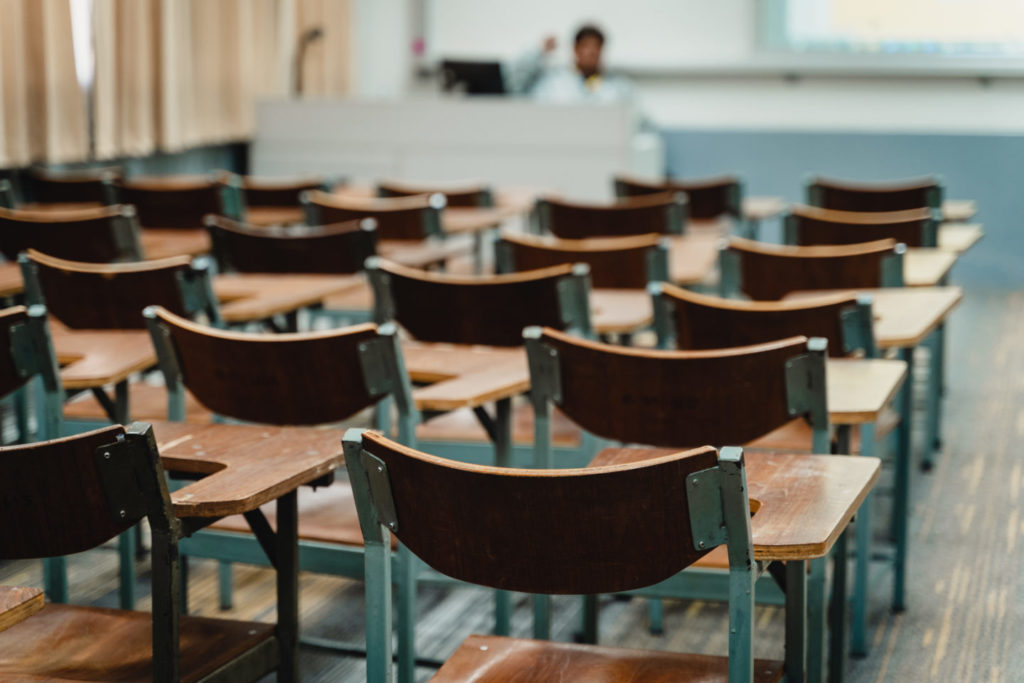
At a time when nearly one in seven New Jersey students are chronically absent, critics are citing the examples of other states in calling for changes to the public school system.
“New Jersey can continue debating how to improve education, but none of these conversations will matter if students aren’t in their seats,” writes Strahinja Beljanski in a Sept. 17 commentary for the New Jersey Education Report.
“Before we ask how to teach our children better, we must first make sure they’re in the classroom.”
Beljanski, a Rutgers University honors student, describes chronic absenteeism programs in Connecticut and Michigan as enjoying greater success than the Garden State, “with Connecticut having almost double the drop in post-pandemic rates and Michigan having nearly triple the drop.”
“Unfortunately, chronic absenteeism (in New Jersey) has yet to become a central focus,” Beljanski laments. “Affordability and curriculum discussions certainly matter, but curbing chronic absenteeism is a priority just as important as them.”
‘A giant clock’
As previously reported by Heartlander News, New Jersey’s public school enrollment has dropped to its lowest level – about 1.4 million students – since the 2001-02 academic year.
“It’s like a giant clock with a lot of moving parts, but it adds up to enrollment declines,” said Betsy Ginsburg, executive director of the Garden State Coalition of Schools, of the many factors involved. “And since state aid is tied to enrollment, it’s going to have an effect.”
While Beljanski acknowledges the Garden State has one of the lowest chronic absenteeism rates nationwide, he argues government officials need to address it quickly to prevent far-reaching damage.
“Attendance is the prerequisite for learning,” he concludes. “Without it, students bear the harmful short- and long-term effects to their future outcomes as a result of learning loss. This issue, if left unchecked, has cumulative effects, where students suffer from compounded disadvantages as they become prone to declining academic outcomes with every passing school year.”
In one example given by Beljanski, Connecticut managed to increase attendance rates significantly after implementing home visits to students who were chronically absent.
“These visits are meant to address a student’s needs and highlight any of their barriers to proper attendance,” he writes. “Whether it be issues of transportation, housing or tech, this program aims to connect families to resources wherever applicable.”
Meanwhile, Michigan brought caseworkers into school districts “to monitor at-risk students, work alongside their families and coordinate with school administration to better connect parents to available resources,” according to Beljanski.
“The program also saw similar successes to (Connecticut). … The public school caseworkers helped reduce chronic absenteeism rates by nearly 8%.”
By targeting “the most at-risk student populations” through similar programs, New Jersey could enjoy greater measures of “bolstering education fairness” – one of the goals highlighted by Gov. Mikie Sherrill – with relative ease, Beljanski argues.
“Most importantly, requiring attendance as a core district performance metric will not only keep districts accountable, it will also gauge which local intervention tactics produce the most measurable improvements. Having districts submit periodical attendance reports and strategic plans help set roadmaps as well as points for future evaluation.”