Democrats are pitching energy affordability. Virginia was the test case.
Democrats have made energy costs a centerpiece of their bid to retake Congress, hammering the Trump administration over rising prices. But even if they gain control of one or both legislative…

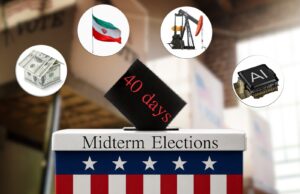
Democrats have made energy costs a centerpiece of their bid to retake Congress, hammering the Trump administration over rising prices. But even if they gain control of one or both legislative chambers, energy experts say decisions shaping Americans’ energy costs will largely remain in the hands of the White House and state governments.
Democrats have blamed the Iran war and cancellations of green energy projects for rising gas and electricity prices. Some energy experts told Heartlander News that Democratic policies are generally driving up energy costs and that a Democratic Congress would have little power to reverse the Trump administration’s energy agenda.
“The vast majority of change and improvement in federal climate and energy policy during the past two years has taken place in the executive branch,” James Taylor, president of The Heartland Institute, told Heartlander News. “Regardless of the outcome of the midterm elections, we can expect the Trump administration to drive climate and energy policy through the executive branch.”
A Democrat-controlled Congress would “do all it can to gum up the works,” Taylor said, but would be “unlikely to get very far because of the presidential veto.”
Taylor acknowledged that the war in the Middle East is a major factor in rising gasoline prices, but argued that the Trump administration’s broader energy agenda should lead to lower prices at the pump.
“Hopefully, under the remaining two years of the Trump administration, we’ll get the Middle East situation resolved and gasoline prices will go down because the underlying policies outside of the Middle East conflict are very favorable for affordable oil and gasoline prices,” he said.
Gas prices hit a record high of $5 a gallon in June 2022, under former President Joe Biden, levels not seen under Trump. According to the Institute for Energy Research, residents of blue states generally pay more for both gasoline and electricity than those in red states.
Taylor emphasized that state governments have a “massive impact on energy production choices and usage. … It’s at the state level that laws impose renewable power mandates on electricity consumers.”
Virginia costs set to rise
In Virginia, voters have had 10 months to see affordability campaign promises put into practice. Virginia Gov. Abigail Spanberger, a Democrat, campaigned on lowering energy costs but brought the state back into a carbon-trading program that is set to raise utility bills.
“It’s easy for Spanberger to claim affordability. It’s a very catchy buzzword, but a lot of her actions aren’t representative of that,” Gabriella Hoffman, director of Independent Women’s Center for Energy and Conservation, told Heartlander News. “If she really wants to be the affordability governor, she has to reconsider the [Virginia Clean Economy Act] VCEA. Anything short of full repeal means she’s unserious about actually lowering energy prices.”
The VCEA mandates that Virginia utilities generate electricity from “renewable sources” such as wind and solar over the next few decades. Some analysts have found that VCEA-related costs have been the primary driver of rising Dominion Energy bills in recent years.
Spanberger has also faced criticism for a deal approving the Dominion Energy and NextEra merger that gives customers a $10 rebate on their bills for the next four years.
“That’ll last throughout her administration,” Derrick Max, vice president of policy at Virginia’s Jefferson Forum, previously told Heartlander News. “But then the minute she’s out of office, the rebate goes away. So she’ll look like she had cheaper energy. The next governor, whoever that is, is going to see an increase.”