Omaha SROs defend use of force on students after report shows 63 incidents over last 5 years
During a time of increasing classroom violence, law enforcement officers in Omaha are coming under scrutiny for using force on students at least 63 times since 2021 – occasionally on children as…
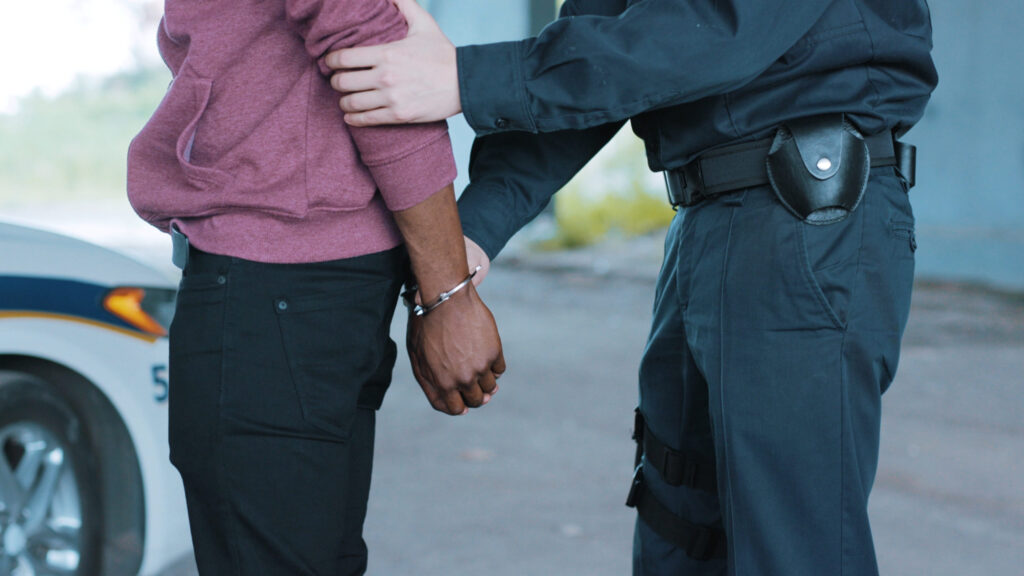
During a time of increasing classroom violence, law enforcement officers in Omaha are coming under scrutiny for using force on students at least 63 times since 2021 – occasionally on children as young as 11 and 12.
“Over the last five years, law enforcement officers have tackled, struck, grabbed, pepper-sprayed and handcuffed Omaha-area students on school property,” the Flatwater Free Press explained in an Oct. 20 report.
Situations requiring force may be necessary in schools involving “a lot of other innocent lives in the immediate area,” said Sgt. Mandy Peth overseeing the Douglas County Sheriff’s Office SRO team.
“We have a duty to protect everybody else in that school,” she concluded, “and so we receive a lot of training in use of force, and the goal is always going to be to use as little as possible, but be effective.”
However, Critics of the trend argue children may have their civil rights and liberties threatened by excessive force from school resource officers.
“Our schools should not be a place where students with disabilities or students struggling become subject to gateways into the criminal legal system,” said Jason Witmer, policy strategist at the American Civil Liberties Union of Nebraska, at a Sept. 1 Omaha City Council meeting.
‘Pain compliance’ or educational support?
As previously reported by Heartlander News, parents and students at Omaha Public Schools (OPS) expressed outrage in August after hearing SROs would be getting shock gloves for intended use upon minors.
While the Omaha Police Department (OPD) agreed for its officers to stop carrying the gloves in OPS, it still supplies its officers with gloves in the Elkhorn, Millard and Westside districts, according to Flatwater Free Press.
“Officers are trained to engage in what’s called pain compliance,” said Elizabeth Eynon-Kokrda, co-founder and general counsel for the Education Rights Counsel nonprofit. “They’re trained to obtain behaviors by inflicting pain. That’s what shock gloves do.”
Meanwhile, SROs contend their role has changed from just law enforcement to a more community-based approach.
“Our school resource officers are vital to maintaining safe educational environments,” said Omaha Police Chief Todd Schmaderer in a statement, adding, “While they occasionally face difficult situations requiring decisive action to protect students and staff, it is a duty they carry out with dedication and care.”
The frequency of force used in Omaha schools is less than 1%, said OPD spokesman Neal Bonacci – comparable to other patrol officer interactions in public settings.
The Omaha district enrolls approximately 50,000 students across 112 schools.
The shock gloves activate when officers press a button, touching a person’s skin directly to produce voltage causing pain, according to an Aug. 22 article by The Guardian. They do not leave burn or contact marks.