
Illinois governor should follow New York’s example and opt into school choice program, commentator says
Illinois Gov. JB Pritzker should follow New York Gov. Kathy Hochul’s lead and opt into the new Education Freedom Tax Credit (EFTC), Sam Raus argues in RealClear Education.
“Few blue…
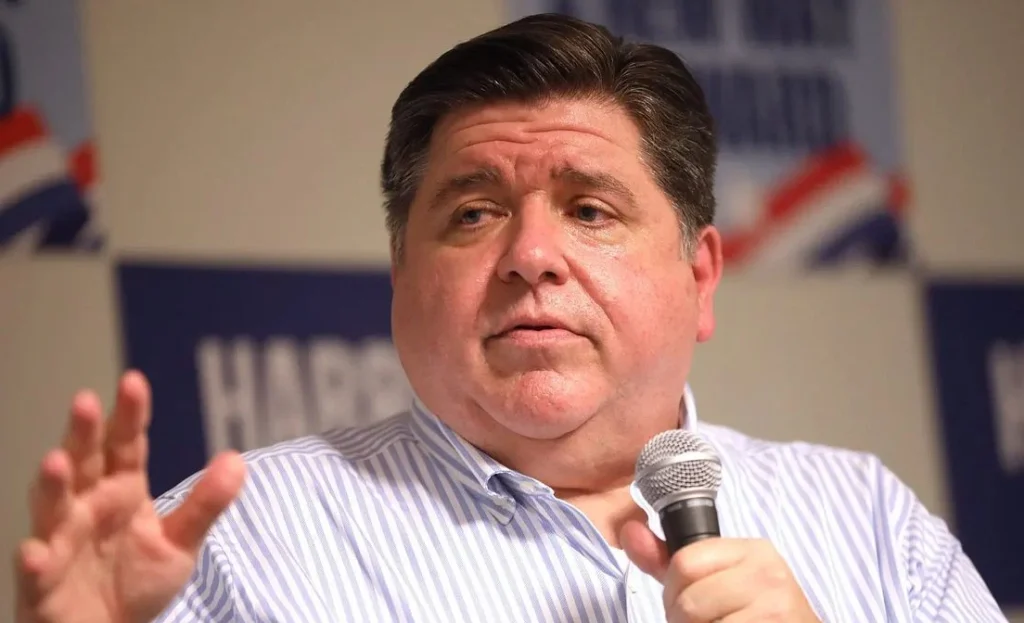
Illinois Gov. JB Pritzker should follow New York Gov. Kathy Hochul’s lead and opt into the new Education Freedom Tax Credit (EFTC), Sam Raus argues in RealClear Education.
“Few blue states have done so thus far, making Hochul’s decision a pivotal moment in the politics of school choice. And Illinois can be next – if Gov. JB Pritzker has the courage,” says Raus, a writing fellow at Young Voices, a nonprofit public relations organization for conservative writers.
Hochul defied pressure from New York teachers’ unions to become the second Democrat governor to join the school choice program, following Colorado Gov. Jared Polis.
“After a careful review of the federal regulations, we believe this program has the potential to bring millions of additional dollars to New York students and families without taking a single dollar from public schools or our state or local budgets,” Hochul said when announcing her decision.
Under the program, which starts Jan. 1, 2027, eligible taxpayers can donate up to $1,700, or $3,400 for married couples, to qualifying scholarship granting organizations and claim a federal income tax credit. The organizations then distribute scholarships to eligible public and private school students, but only in states that opt in. So far, 31 states have said they will participate. Raus argues Illinois families deserve the same opportunity.
The scholarship program “presents an opportunity for state leaders to make an existing federal benefit available to their residents,” he wrote. “Pritzker can continue defending public education while acknowledging that not every child has the same needs or thrives under the same circumstances.”
Because the benefit comes from federal legislation, Illinois would not need to create a new state-funded program to participate.
The program could have a significant impact. The Illinois Policy Institute estimates Illinois could generate $1 billion for scholarships covering tuition, tutoring and other educational expenses if 30% of eligible taxpayers claimed the full credit.
Opting in could also benefit Pritzker politically, Raus argues. The governor could make a federal tax benefit available to Illinois families while supporting eligible students’ education. Demonstrating bipartisan leadership could also bolster his potential 2028 political ambitions.
The state previously offered scholarships to low-income students through the Invest in Kids Act. However, the program expired in 2023 and was not renewed, drawing criticism from The Wall Street Journal.
Illinois voters have also shown support for opting into the federal program. In March’s primary election, 31 counties asked voters whether Illinois should participate. About 135,000 voters, or 63% of those who voted on the question, supported opting in.
States have until Jan. 1, 2027, to opt in for the first year, and participating states must submit a list of approved scholarship granting organizations by Feb. 15, 2027. According to The School Choice Index, 1.5 million students already participate in school choice programs across 34 states, and the new program is expected to expand access further.
As momentum builds and more states opt in, Raus makes his case to the blue-state governor.
“Pritzker has an opportunity to put families ahead of partisan politics, give students access to more of the support they need, and demonstrate that improving educational outcomes matters more than defending the status quo. He should take it,” Raus wrote.


