Gov. Kehoe signs executive order to protect Missourians while still equipping law enforcement
Missouri Gov. Mike Kehoe has become the first governor in the U.S. to implement Flock camera safeguards to protect citizen privacy while still allowing law enforcement to use them.
Kehoe…
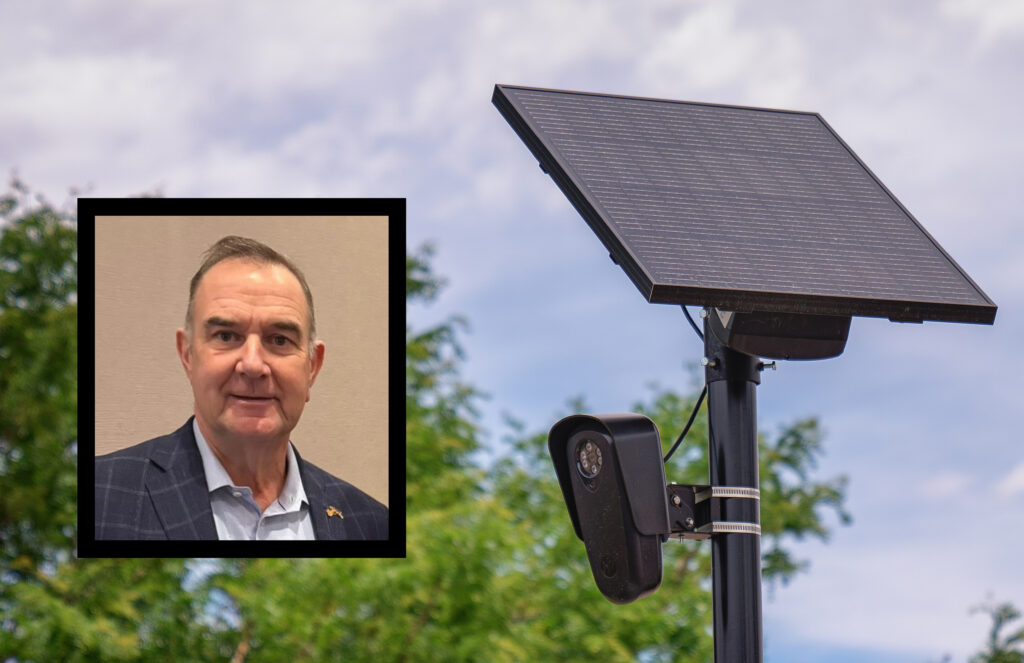
Missouri Gov. Mike Kehoe has become the first governor in the U.S. to implement Flock camera safeguards to protect citizen privacy while still allowing law enforcement to use them.
Kehoe signed an executive order Wednesday to establish strict rules on automated license plate readers (ALPR), which includes Flock Safety cameras, according to a press release from Kehoe’s office.
Flock cameras automatically capture the license plate and vehicle information of anyone driving on public roadways and have been the center of an ongoing national debate surrounding privacy rights.
Kehoe’s executive order requires all state agencies and state-funded local law enforcement groups to delete all vehicle and license plate data not included in a specific criminal case after 30 days.
“Protecting citizens also means protecting their constitutional rights,” the Republican governor said in the press release. “The unchecked collection and indefinite storage of location data belonging to law-abiding citizens raises substantial, valid constitutional and privacy concerns.”
Law enforcement concerns
The executive order was released one week after senior investigator Laurie Moore with the Albany, New York, Sheriff’s Office was arrested for using Flock cameras to stalk her ex-girlfriend. Moore allegedly tracked her ex-girlfriend and four other acquaintances for over a year, running the girlfriend’s plates through Flock cameras almost 3,000 times.
At least 50 law enforcement officers nationwide have been accused of using the system inappropriately, according to 19th News, with over half of those incidents involving romantic relationships.
Anyone misusing Flock camera technology in Missouri for personal interests instead of criminal or lifesaving purposes will trigger immediate disciplinary proceedings, criminal referral when appropriate and will be reported to the Director of Missouri’s Department of Public Safety (DPS), according to the executive order.
Several U.S. cities have banned Flock cameras, and while no states have banned them outright, Florida restricted the security systems from state-maintained roads last month, KMBC 9 reports.
Those in favor of Flock cameras argue they’re a useful resource for law enforcement.
“Automated license plate reader systems have proven to be a valuable tool for law enforcement agencies to utilize in their efforts to catch violent criminals, recover stolen vehicles and find missing or endangered people,” DPS Director Mark James said.
Along with vehicle data being permanently deleted within 30 days and punishment for those who use the technology inappropriately, the executive order also prohibits law enforcement agencies from selling, sharing or commercializing Flock camera data. Agencies are also prohibited from installing artificial intelligence (AI) facial recognition technology into ALPR systems and Flock cameras.
“The government should not be building a permanent record of where law-abiding Missourians go, who they visit or how they live their daily lives,” Kehoe said. “This executive order is the first step in creating safeguards against abuse of this data, while still understanding the benefits of these vital public safety tools for law enforcement.”
(Background photo: Creative Commons, Tony Webster, CC 2.0 Generic; Screenshot/Facebook/Mike Kehoe)