Analysis: Trump dividend plan looks beyond tariffs to visas, oil, federal investments for potential funding
President Donald Trump’s proposed $5,000 dividend to every adult American citizen could be funded by billions from visa fees, Venezuelan oil and federal investments, not just tariff…
President Donald Trump’s proposed $5,000 dividend to every adult American citizen could be funded by billions from visa fees, Venezuelan oil and federal investments, not just tariff revenue.
As Heartlander News previously reported, tariffs alone would be insufficient to fund the estimated $1.3 trillion needed to pay out the dividends.
An examination of the administration’s history, along with the president’s own comments, Commerce Department documents and statements, shows the Trump administration spent nearly two years developing new revenue and acquiring federal equity stakes that could help fund the promised payments to taxpayers.
The most immediate identifiable vehicle for a dividend payment would be the so-called Sovereign Wealth Fund established by the White House in February 2025 through an executive order.
The establishment of the fund in the very early days of the administration suggests Trump’s proposal of a dividend wasn’t just an off-the-cuff campaign promise but a central part of the administration’s strategy.
An explainer on the fund from the White House suggests the fund would work “to promote fiscal sustainability, lessen the burden of taxes on American families and small businesses, [and] establish long-term economic security.”
The White House estimated at the time of the fund’s creation that the U.S. government held approximately $5.7 trillion worth of assets that could potentially be returning value to taxpayers.
Since then, the number could have grown substantially.
At the top of Trump’s assets list – at least chronologically – was equity the U.S. government received from Intel Corporation as part of the federal $8.9 billion investment into the company under the CHIPS and Science Act.
The act authorized the Secretary of Commerce to enter into any “agreements, and other transactions as may be necessary” to protect the taxpayers. As a result, the government received a nearly 10% equity stake in the company.
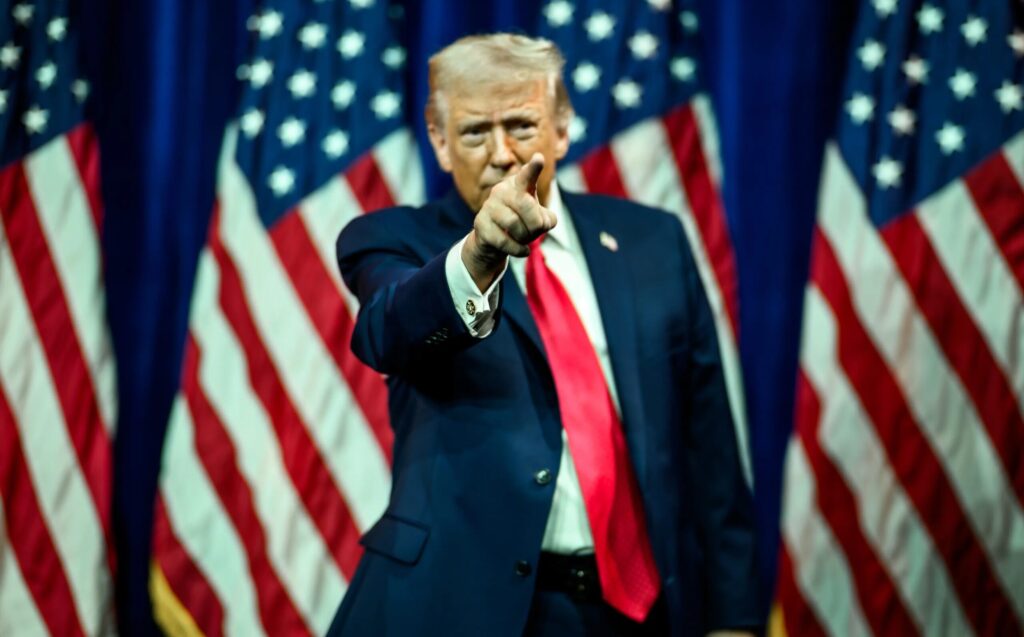
“But what’s happened, well, that’s, that’s not even the good part because what happened to Intel is amazing,” Trump told attendees at the Republican midterm election convention in Dallas about the company’s turnaround because of the federal investment.
Since July 2025, when the agreement was reached, the stock has moved from about $20 to about $97 per share, giving the government a $35 billion profit.
In addition to the Intel agreement, the Commerce Department listed another $300 billion in semiconductor holdings of the federal government under the CHIPS Act as of January 2026.
Commerce also listed about $10 trillion worth of trade and investment deals, mostly by foreign investors. Foreign direct investment (FDI) made up $6.09 trillion of the total.
While the trade deals and FDI won’t generate direct revenue for dividends, Trump said investors shouldn’t be the only winners in the battle to rebuild America.
“The Trump Dividend is the next chapter of that fight – not another Washington program or lecture from the ‘experts,’ but cash in the hands of American citizens,” noted the White House.
Last week, Commerce Secretary Howard Lutnick suggested revenue created by the president’s proposed “gold” and “platinum” visas might be one of the sources for dividends.
Under the proposal, foreigners would extend their visas for payments of $2 million or $5 million, depending on the type of visa.
“It’s certainly plausible to me that this could be a meaningful source of revenue,” John Lettieri, CEO of the bipartisan Economic Innovation Group policy research organization, told CBS News.
More importantly, the money would not come from taxes.
“It’s not tax money,” Lutnick told NBC News. “We have a waitlist of more than 100,000 people who want to come [to the U.S.]. That’s $500 billion.”
But the biggest stake is likely the deal struck with Venezuela for a 35% government-owned equity stake in North American Blue Energy Partners, which will develop the country’s oil fields.
With 65 billion barrels of proven reserves, a 35% ownership interest would be worth “hundreds of billions in value and dividends for” the government at no cost to U.S. taxpayers, the White House said.
“Together we’re going to deliver that plan and we’re going to pay that money to the Americans, and not from taxpayer money,” Lutnick told NBC.
Combined with the creation of a sovereign wealth fund to manage government assets, the plan points to an administration that from the beginning contemplated using federal money in a way that would return dividends directly to taxpayers, rather than costing them money with vague promises of future prosperity.
“Between our Venezuelan oil deal, all of our new mineral deals, trillions and trillions of dollars … were taken in” that could benefit taxpayers directly, Trump told the Dallas audience at the 2026 Republican National Committee’s Midterm Convention last week.