Canadian court blocks bid for assisted death based only on mental illness
An Ontario judge recently blocked a Toronto woman from pursuing assisted suicide based solely on her mental illness as her bigger legal challenge plays out in court.
Justice Carissima…
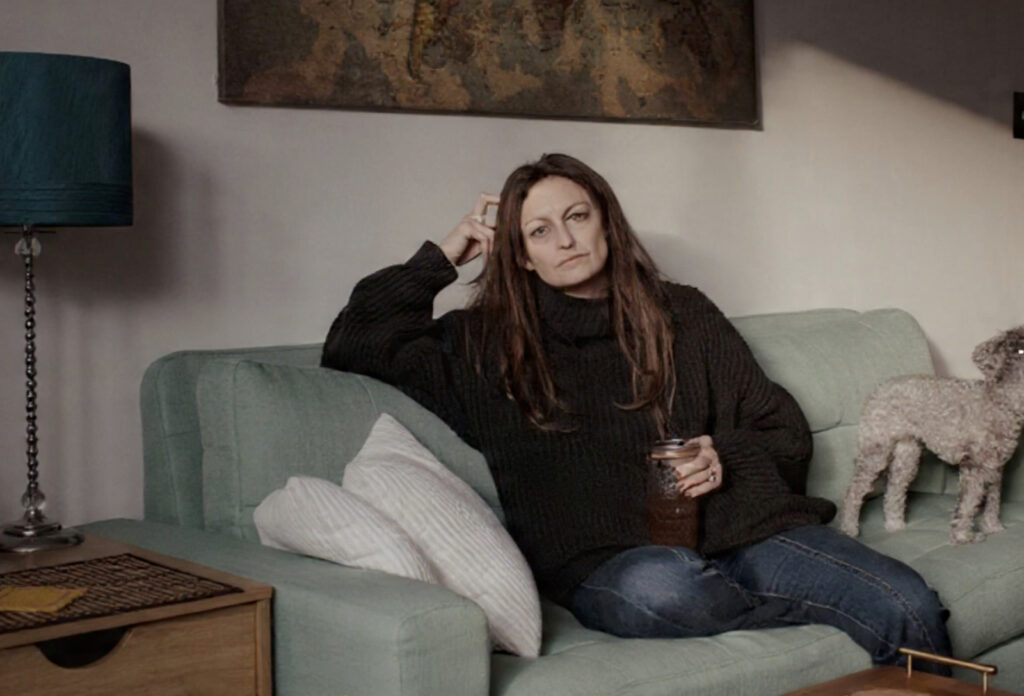
An Ontario judge recently blocked a Toronto woman from pursuing assisted suicide based solely on her mental illness as her bigger legal challenge plays out in court.
Justice Carissima Mathen denied Claire Brosseau’s request for a personal exemption from Canada’s assisted-death law last week.
Brosseau, 49, is a former actress and comedian who says she has lived with severe mental anguish for 35 years. She has received treatment for bipolar disorder, an eating disorder, substance use disorder and post-traumatic stress disorder. She has also undergone electroconvulsive therapy, talk therapy and rehab.
The woman filed a Charter challenge in August 2024 with a doctor and Dying With Dignity Canada, a pro-assisted suicide group. She argues Canada’s ban on assisted suicide when mental illness is the only condition violates her rights to liberty, personal security and equal treatment.
In May, Brosseau asked the court to let her use assisted suicide before the legal system rules on the case.
Mathen found Brosseau had shown serious and lasting suffering but said granting an exemption would set a policy and circumvent the legislative and legal processes.
“The interests on the other side are considerable,” Mathen wrote. “They include Parliament’s role to make policy decisions on sensitive social issues.”
Canada legalized assisted suicide in 2016 and expanded the law in 2021 to include people with mental illnesses as their sole condition, not the aged or terminally ill as the policy was originally presented. That provision, however, won’t take effect until March 2027.
Canadians with severe mental health problems have already died by assisted suicide.
Kiano Vafaeian, 26, died by assisted suicide in Vancouver last December. His family said he had Type 1 diabetes, partial vision loss and depression.
Vafaeian first sought assisted suicide in Ontario, where several doctors rejected him. He later went to British Columbia, where Dr. Ellen Wiebe approved him.
His mother said his death should never have happened because he wanted to die because of his mental problems.
Assisted-suicide critic Kelsi Sheren later posted images she described as Vafaeian’s pharmacy receipts and death record. She said the records showed he paid for lethal drugs prescribed by Wiebe and that his death record listed Medical Assistance in Dying.
The records also highlighted different provincial rules. British Columbia tells providers to mention assisted suicide on death certificates, while Ontario tells doctors not to do it.
“Same death. Different province. Different truth,” Sheren wrote in an X post last month.
A parliamentary committee that studied assisted suicide for mental illness this year urged Parliament to “indefinitely exclude persons whose sole underlying medical condition is a mental illness.”
Heartlander News covered the report this summer, as well as Canada’s Catholic bishops advocating to keep the limit.
The bishops said mental illness calls for care and hope, not death. They also said, “It is not possible to determine whether a mental illness is irremediable.”
Canada had 16,499 assisted-suicide deaths in 2024, according to Health Canada, or 5.1% of the country’s total deaths.
Additionally, last month Heartlander News reported on an 83-year-old Christian grandmother who died by assisted suicide. Her family says she rejected assisted suicide and wanted to back out of it.
Assisted suicide has also expanded elsewhere, with New York and France legalizing it this year.
(Image credit: Screenshot / YouTube / Explainify)