Trump slow rolls sanctions on Iran allies as gasoline shortages hit Islamic Republic
The Trump administration announced the start of a new campaign called Operation Economic Outcast that Secretary of the Treasury Scott Bessent called “an economic onslaught”…
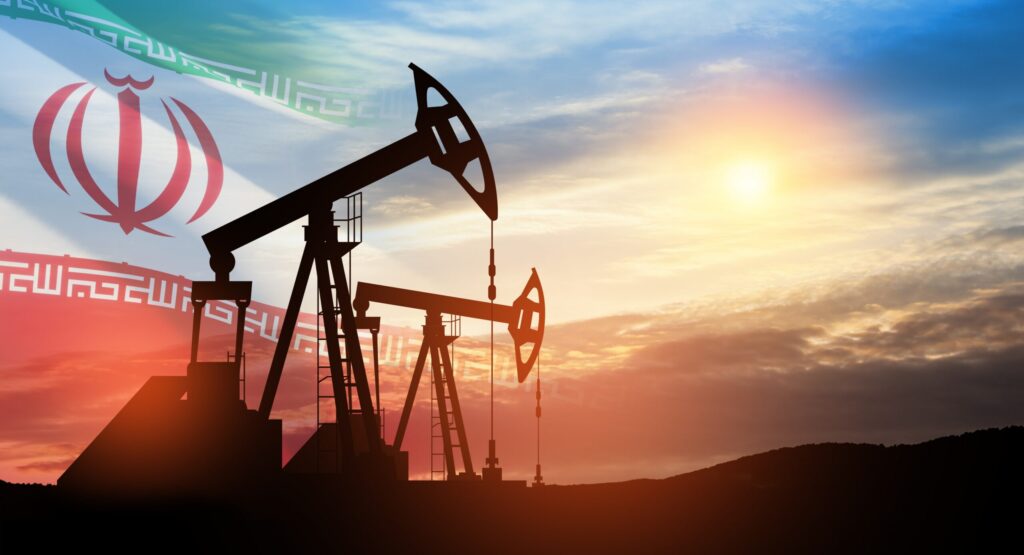
The Trump administration announced the start of a new campaign called Operation Economic Outcast that Secretary of the Treasury Scott Bessent called “an economic onslaught” against Iran.
Under the campaign, the U.S. is imposing new sanctions on Iranian entities, and warning Iranian partner countries they could see their financial institutions debanked from the U.S. dollar system.
“President Trump has taken action that his predecessors have long deferred,” Bessent said in a statement about the new sanctions. “Under his leadership, America is no longer managing the Iranian threat. We are ending it.”
Bessent warned countries they must choose between the economic benefits of partnership with the U.S. and the costs of continued ties with Iran.
Those ties could ultimately end in sanctions that remove them from the dollar-based settlement system.
For Iran’s main oil buyer, China, cutting banks off from the U.S. financial system could raise import costs, pressure the currency and tighten credit across an economy already struggling with weak domestic demand and a property slump.
Notably, China took a less belligerent tone about possible sanctions, simply saying through its English language news service Global Times that it would preserve its own interests.
Bessent noted the U.S. is slow rolling sanctions on countries while continuing to engage them diplomatically.
“Why would I want to blow up the global financial system?” he asked reporters, according to Axios, saying bad actors deserve a chance to change their behavior.
Still, the Treasury announcement included new sanctions against nearly 60 individuals, entities and vessels linked to Iran.
Special areas of consideration for the latest sanctions were digital assets, advanced technology, gold, aviation and shipping.
But the main target of the sanctions isn’t China, aviation companies, global shipping or the banking system.
The main targets are members of the militant Islamists now in charge in Iran.
“Operation Economic Outcast will sever the economic lifelines that sustain the Iranian regime and the Islamic Revolutionary Guard Corps (IRGC),” said Treasury.
Iran was already fracturing economically prior to the start of the war in February.
Economic protests were widespread in early January, after another year of more than 40% inflation largely due to economic sanctions imposed over Iran’s pursuit of nuclear weapons, noted DW.com.
DW reported that the International Monetary Fund estimated that Iranian inflation wouldn’t dip below 40% for 2026.
But the war made the economy even more unmanageable. Currently inflation is running near 90% annually.
The crisis split the country into two ruling factions that have been engaged in “bitter public infighting” over the last few weeks, reported the Japan Times.
An economist and former adviser to the current Iranian president said there’s a reformist group that wants an accommodation with the U.S. and another clerical group that’s interested in “endless war” with America.
Saeed Laylaz, who once advised the current reformist President Masoud Pezeshkian, told the Japan Times, “The leadership has changed and isn’t publicly seen. This has opened the space for some people to step forward and speak.”
This week Asr Iran, a state news publication that supports the reformist government, said the economy can’t be ignored any longer.
Noting inflation, unemployment, banking and financial imbalances, electricity and water shortages, gas and fuel shortages are all problems, Asr Iran wrote, “Denial or normalization will not work.”
The reformist publication reported the oil-rich country doesn’t have the money to supply imported gasoline to keep the economy running and referred to the political situation as “hostage taking.”
Trump may be taking his cue from Pezeshkian, who reportedly wants to reach an agreement with the U.S. in order to obtain broad sanctions relief.
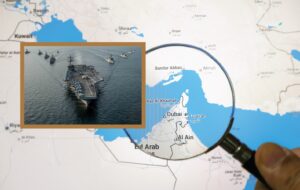
And even as the U.S. naval blockade has tamped down Iranian oil exports, the latest sanctions could help dry up remaining demand for oil that keeps at least the IRGC in business.
In the meantime, crude oil has come down from $111 at the end of March to about $83 currently, which has helped drive down inflation in the U.S. in time for the midterms.
Secretary of State Marco Rubio told his foreign service colleagues in allied countries that the U.S. will be concentrating on sanctions against Iran rather than strikes “for the time being,” reported Axios.
With the clearing of the final mines in the Strait of Hormuz by the U.S. Navy, the leverage Iran had over oil prices may have dissipated, another official told Axios.
“Right now we are not negotiating with Iran,” a U.S. official said. “We are squeezing them. The pressure could drive the Iranians back to the table.”