Analysis: Trump mail-in ballot rules face next hurdle after Supreme Court decision
The U.S. Supreme Court ruled Monday that the Trump administration can propose mail-in ballot procedures, finding plaintiffs in the case “lack standing” because the procedures had yet…
The U.S. Supreme Court ruled Monday that the Trump administration can propose mail-in ballot procedures, finding plaintiffs in the case “lack standing” because the procedures had yet to be finalized.
At issue is whether the president can implement rules under the United States Postal Service (USPS) to ensure states allow only citizens to vote in federal elections.
U.S. District Judge Indira Talwani, an Obama appointee, previously issued injunctions against the rules.
The Court voted 6-3 that if the “final rule harms the States, they may challenge that rule.”
“The Federal Government has an unavoidable duty under Article II of the Constitution of the United States to enforce Federal law,” said the White House executive order directing the Postmaster General to initiate rules to ensure mail-in ballot procedures comply with federal law.
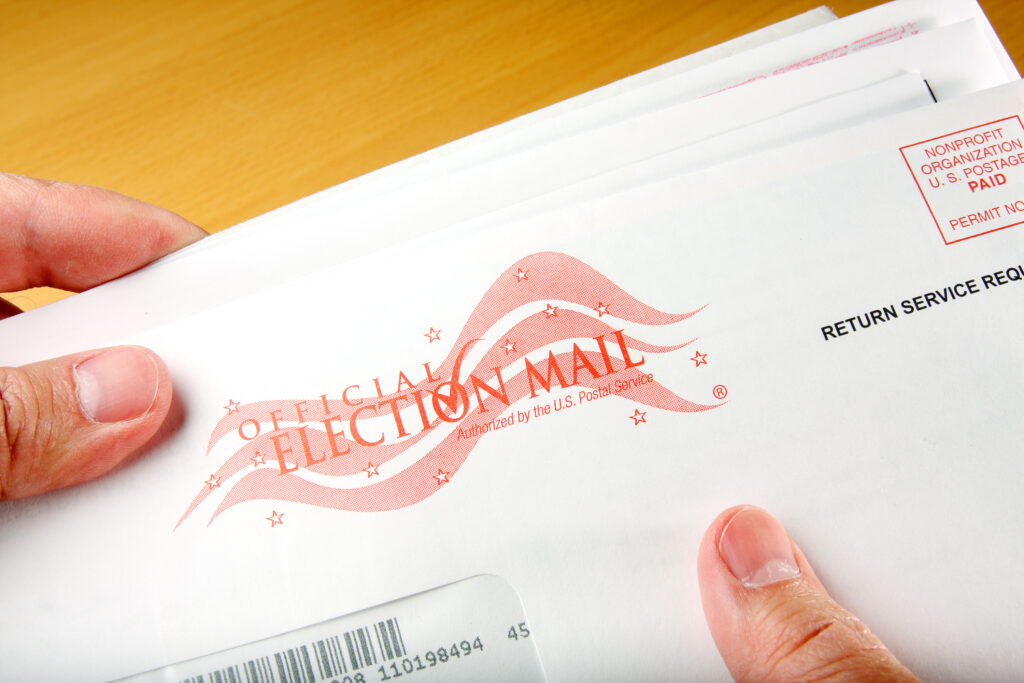
The USPS published the 95-page final rule, dated Aug. 21. In it, the postal service proposed using a master list of eligible voters, against which postal officials would match before sending out mail-in ballots. The envelopes would then be individually bar-coded to prevent duplications.
“Such enhanced visibility will help identify potential issues that would have otherwise gone undetected,” said the rule published in the Federal Register.
The USPS said the rule is not dependent upon whether voter fraud is rare, as some contend, or is common, as others say.
But, “at the very least, it will provide increased assurance that any potential issues are more capable of being effectively identified and investigated.”
The League of Women Voters planned to challenge the newly proposed rules this week, reported Reuters.
The newswire noted a consortium of 23 states, 22 of which are led by Democrats, are combining with elements from the Democrat Party, to also challenge the rule.
The fight will almost certainly take place in the court of Federal Judge Indira Talwani, who previously issued two injunctions against the Trump administration barring the implementation of the executive order on mail-in ballots.
One of those injunctions was at issue in the recent Court decision.
Talwani later complained the USPS violated the existing injunction by publishing the new proposed rule.
In unusually harsh language toward the Supreme Court, she accused the justices of accepting the government’s “feigned compliance” with her previous ruling.
Part of liberal concern over the Supreme Court’s ruling has involved the ongoing fight between the states and the federal government over voter rolls.
The Trump administration has been suing states to obtain their list of voters after allegations surfaced of non-citizen voting and inflated registration numbers.
Critics said Trump’s actions undermine the confidence of voters in elections.
The administration countered only the cooperation of the states can rebuild confidence in the vote’s integrity.
“We absolutely can build confidence in the American people, but the states have to do their part,” said Homeland Security Secretary Markwayne Mullin, according to the Associated Press (AP).
Talwani wasn’t the only liberal who used harsh language against the ruling.
“It’s a disgrace that the highest court in the nation is allowing Trump to stab a dagger into the heart of our democracy,” said Democratic Senate Leader Chuck Schumer of New York.
Heartlander News previously reported Attorney General Todd Blanche vowed to take the fight over election integrity to the Supreme Court to make sure elections are “fair and they’re conducted the right way.”
If Talwani rules against the final rule, the administration will likely appeal immediately, setting up another Supreme Court decision ahead of the November election.
At least one constitutional scholar said the Supreme Court could act quickly to decide the case.
Steve Vladeck of the Georgetown University Law Center told PBS that a decision on the rules by the Supreme Court could come as soon as next week.
“It’s going to move that quickly.”