Analysis: Seven city subsidized grocery stores close in Chicago in warning to NYC
Another big-city subsidized grocery chain has called it quits as New York City socialist Mayor Zohran Mamdani pushes to make government-backed grocery stores a central feature of his…
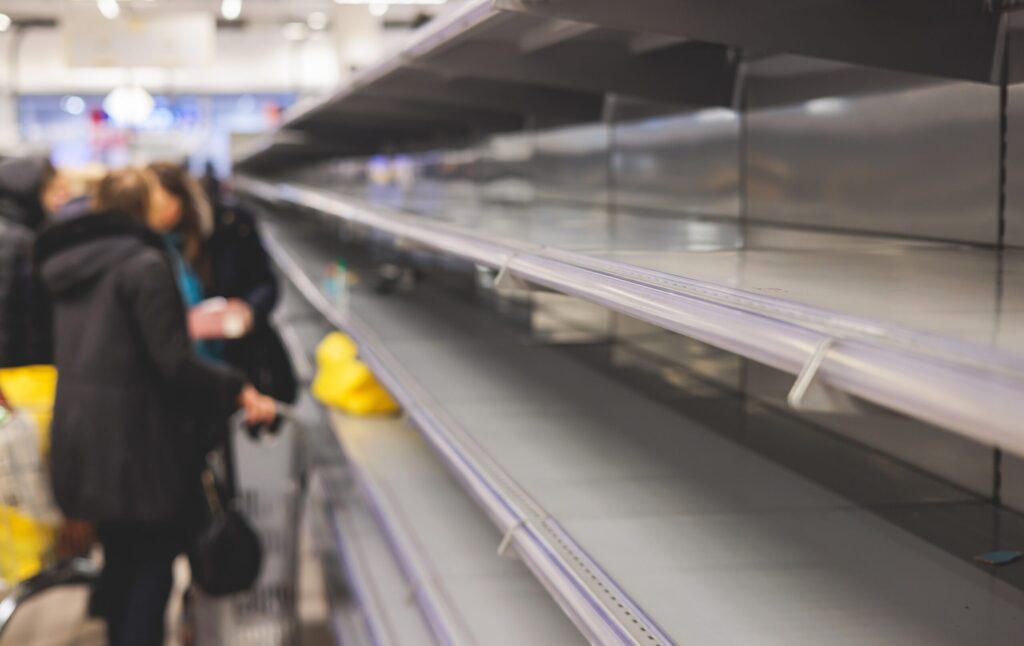
Another big-city subsidized grocery chain has called it quits as New York City socialist Mayor Zohran Mamdani pushes to make government-backed grocery stores a central feature of his agenda.
Seven Chicago Save A Lot stores are closing across the city days after their operator said it faced “significant financial headwinds.”
The closures come just a year after Heartlander News reported on the failure of a similarly subsidized grocery store in Kansas City.
The Chicago operator, Yellow Banana, signed a $26 million redevelopment deal with the city just three years ago, according to TheStreet. Of that amount, $13.5 million came directly from taxpayers for six of the stores now closing.
The redevelopment plan was a rushed attempt to prevent the creation of so-called food deserts after the original grocery stores planned to close.
“I think it’s horrible. Where are we gonna shop at?” Morgan Park resident Nadine told ABC 7 Chicago. “You got people that don’t drive and what not. This is convenient for us.”
But the stores were not necessarily more convenient or less expensive.
A Google Maps search by Heartlander News found at least 25 grocery stores, including three Family Dollar stores and three Aldi stores, within 2 miles of the Save A Lot location at 420 S. Pulaski Road in the West Garfield Park neighborhood.
The proximity of that competition, combined with lower prices elsewhere, may have contributed to the closures.
Notably, one study found Aldi prices were 28% lower.
“A national price study by Consumer Reports comparing identical brand-name items against Walmart showed that Save A Lot is 19.3% more expensive than Walmart,” TheStreet noted. “In contrast, value rivals such as Costco (-21.4%), Lidl (-8.5%), and Aldi (-8.3%) undercut Walmart’s baseline prices, placing Save A Lot closer to traditional full-service grocers like Kroger (+14.8%) in price.”
Unsurprisingly, the Chicago redevelopment deal showed strains almost immediately.
By August 2024, the company had accumulated more than $2 million in unpaid taxes, utility bills, health code violations, fines and lawsuits, according to a Chicago Sun-Times review of public records.
The newspaper reported the financial problems followed two years of missed deadlines, shifting timelines and 16 store closures at Yellow Banana, which owned 38 stores nationwide.
In part, the deal was hampered by the diversity, equity and inclusion requirements the city imposed on the company, according to public reporting.
The company agreed that, in return for the funding, it would spend 26% of its construction costs with minority-owned businesses and 6% with women-owned businesses, the Chicago Sun-Times reported.
The company experienced significant delays in opening because of compliance issues, yet still missed its DEI targets at two stores, resulting in city fines, the Chicago Sun-Times reported.
Just a year ago, Yellow Banana and the city were heralding the openings as a landmark in government-grocery store cooperation.
“The simultaneous rehabilitation of six full-service grocery stores is no small accomplishment, especially given the impact of historic divestment, market pressures and operator challenges involving the grocery industry nationwide,” a city spokesman told the Chicago Sun-Times in October.
Now, just nine months into operation, questions have arisen about whether the city can recover any of its investment.
The Chicago Sun-Times reported that, upon completion of the renovations, the agreement provided that if any of the six stores closed within 10 years, the city could recoup its investment. It is now unclear how Chicago will accomplish that.
Save A Lot previously stepped in to help finance inventory but has since officially severed all ties with Yellow Banana, TheStreet reported.
Supermarket News reported on the death of Yellow Banana CEO Joe Canfield, which it said put a “dagger” into hopes of keeping the stores open.
“He was heavily involved in the community and with all the stakeholders to get the project off the ground and may have been able to come up with a solution,” the trade publication wrote.
But as the Chicago Sun-Times reported, Canfield, who is white, and Yellow Banana, which is designated a minority-owned enterprise by the city of Chicago and routinely describes itself as the proprietor of 38 Black-owned grocery stores, were involved in numerous lawsuits, some involving Canfield personally.
According to a lawsuit filed by family members, Canfield used $238,500 in gold coins he stole from his stepfather’s estate to start Yellow Banana, the Chicago Sun-Times reported.
Still, the Chicago Tribune Editorial Board wrote the city should not give up on subsidizing grocery stores completely.
“The use of tax incentives to attract grocers in food deserts is justified,” the board wrote. “We will not be among those criticizing past mayoral administrations for making the effort.”
With unintended irony, the Tribune detailed how a previous investment in a Whole Foods store at one of the now-defunct locations brings the city’s losses from the Yellow Banana deal closer to $23 million.
“If operators can be found to replace Yellow Banana in much the same way it followed Whole Foods, the taxpayer outlays won’t have been in vain,” the Tribune said.
With that track record, they could be even higher.