Wisconsin homeschooling outpaces public, private school enrollment
Even as the Badger State’s public-school enrollment dropped this academic year, researchers have been at a loss to explain why homeschooling is the “fastest growing education…
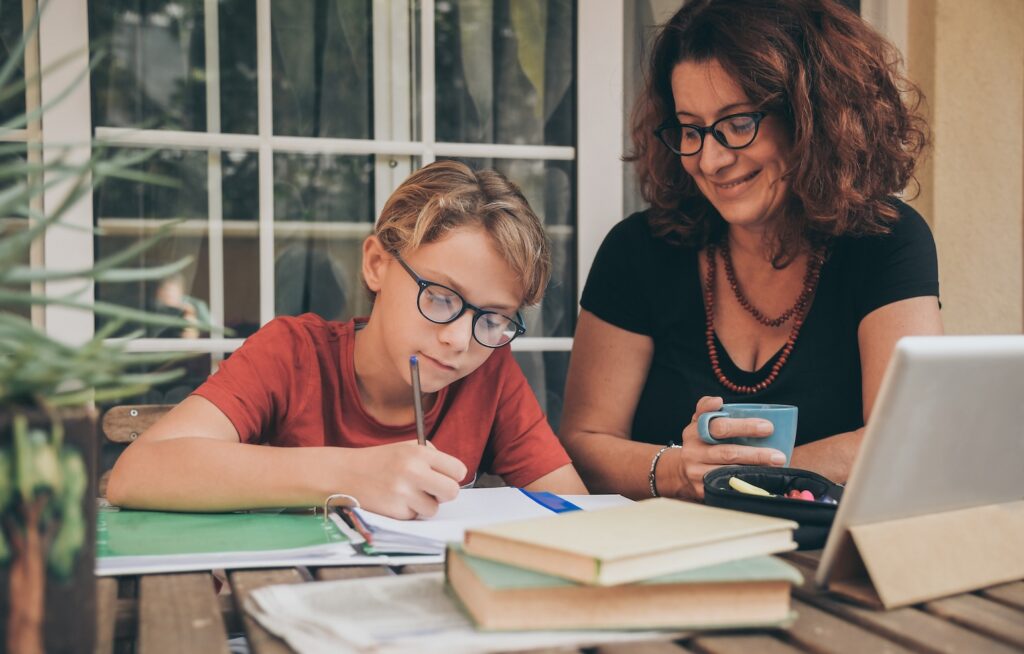
Even as the Badger State’s public-school enrollment dropped this academic year, researchers have been at a loss to explain why homeschooling is the “fastest growing education option,” according to Wisconsin Public Radio.
“Recently released numbers from the Department of Public Instruction show the number of students being homeschooled in the state grew by nearly 6% since 2025 to 32,891 children,” Corrinne Hess wrote.
“Meanwhile, the number of private school students is up 0.1 percent and the number of students in Wisconsin’s public schools is down 1.7 percent, or 14,087 kids.”
If homeschooled children were considered a school district, they would be the state’s second-largest, behind Milwaukee but ahead of Madison, which has about 25,000 students.
Although the number of homeschool families jumped by more than 10,000 students during the COVID-19 pandemic, this year’s growth can no longer be attributed just to 2020.
“The fact that the increase happens in 2026, that I don’t have a clearer explanation for what factors might be at play here in families saying actually we’re going to opt out of the formal education setting and do this at home instead,” said Sara Shaw, the Wisconsin Policy Forum’s deputy research director.
Although the pandemic turbocharged homeschool growth, this educational option had been growing in Wisconsin since the 1980s.
“In 1985, there were 966 children in the state being homeschooled, according to DPI data,” Hess wrote.
“Every year another approximately 1,000 kids left traditional schools and were taught at home, that is until the 20-year period between 2000 and 2020 when the number of homeschooled students fluctuated between about 18,000 and 21,600.”
Post-pandemic outcomes on student achievement
One reason for the homeschool increase may stem from lower academic performance after the pandemic.
Even though high school graduation rates have increased statewide to its highest level (92%) since 2012, math and reading levels are still lagging below rates from 2019, the news outlet noted.
“I think it is surprising that we’re just not talking more about it,” Shaw observed. “There’s a sense of being post pandemic, but the results that we see in terms of how our kids are doing is we are not back and that comes out in the levels at which students are reading, the levels at which students are able to do math and the relationship between families and students and school, which is ultimately what chronic absenteeism is.”
Recently, the state superintendent came under fire for proposing a new initiative, Portrait of a Graduate, which aims to redefine student success.
“We are all for big-picture vision,” said Brittany Kinser, former superintendent candidate and head of Kids Win Wisconsin. “But when the state’s own data shows large gaps in proficiency, ‘defining success’ without fixing the fundamentals isn’t a strategy. It’s a way to dodge accountability. Wisconsin kids don’t need a new portrait of success. They need to be able to read well so they can attend college, pursue a career, or master a trade – and build a bright future.”