Vociferous school choice opponent urges states to join new federal school choice program, calls opposition ‘mostly political’
In what could represent a seismic shift in the nation’s education environment, one of school choice’s most vociferous opponents is urging states to opt in to the new federal school…
In what could represent a seismic shift in the nation’s education environment, one of school choice’s most vociferous opponents is urging states to opt in to the new federal school choice program.
In a discussion posted on his Substack, Josh Cowen said states should accept the political and financial realities and choose to participate in the Education Freedom Tax Credit, which passed in President Donald Trump’s One Big Beautiful Bill Act last year.
The program allows taxpayers to claim a $1,700 tax credit in exchange for donations to scholarship organizations that then fund school choice scholarships.
The program starts in January, but states are opting in now and submitting a list of qualified scholarship-granting organizations. While any taxpayer can give through the program, only students in the 31 participating states – so far – can receive scholarships.
But Cowen, who wrote a 2024 book criticizing school choice, predicts most states will join the program by 2028 because of financial incentives.
“Unless the law is repealed, most governors will eventually opt into the program to prevent the flow of tax donations into neighboring states,” he said.
One study found states that don’t join could leave more than $20 billion on the table.
Another reason Cowen gave is that the vast majority of Americans – roughly 90% – are eligible for scholarships. School choice critics have long asserted choice primarily benefits wealthy families, a questionable claim, but federal rules limit scholarships to families earning up to 300% of their area’s median income.
That ranges from less than $120,000 in some rural communities to more than $600,000 in California counties near San Francisco, where the cost of living is higher, but the wealthiest families are excluded from receiving funds.
A third reason is what it could mean for public schools.
The program can help public school students pay for services such as tutoring and after-school programs and create revenue streams for public schools, which can provide those services for outside students. The program also doesn’t take state education dollars, which Cowen says is a primary point of contention with other choice programs.
“I’m not willing to leave public school families and public school educators alone on the road we’re heading down by telling them there’s nothing in the federal scholarship for them,” he said. “There is revenue – and potentially substantial revenue – available to school districts.”
Cowen expects the program to grow, meaning states must act now or lose funds.
“I believe the federal tax credit is going to represent a bigger and bigger share of federal K-12 funding over the next few years, so districts will want to work toward those revenue streams just to grab those federal dollars.”
Cowen acknowledges much of the opposition is political, including “extreme pressure on the Left to fight everything associated with Donald Trump,” but says the public school community, including school districts, teachers’ unions and other partners, must act to bring maximum benefit to their students.
Corey DeAngelis, a research fellow at The Heritage Foundation and a leading voice for school choice, said Cowen’s change in tone is “a sign of good things to come” for expanding education freedom.
“It’s telling that Josh Cowen – who was recently employed by a group funded by the teachers’ unions – is now coming out in favor of states opting into Trump’s nationwide school choice program,” DeAngelis told The Lion in a message.
“I expect all 50 states will eventually come along, and we’ll keep seeing more Democrats read the tea leaves and join Jared Polis and Kathy Hochul in opting in,” he said, referencing the governors of Colorado and New York, respectively, who have indicated participation in the program.
DeAngelis then called out the hypocrisy of Cowen and others in the anti-school choice crowd who attended private schools themselves or send their children to private school while fighting against that option for others.
“Cowen himself went to a private school, so he should be the last person arguing against school choice for other families,” he said. “Democrats are losing on education because of their subservience to the teachers’ union monopoly. It’s about time they start waking up if they want to make any inroads with voters on this issue.”
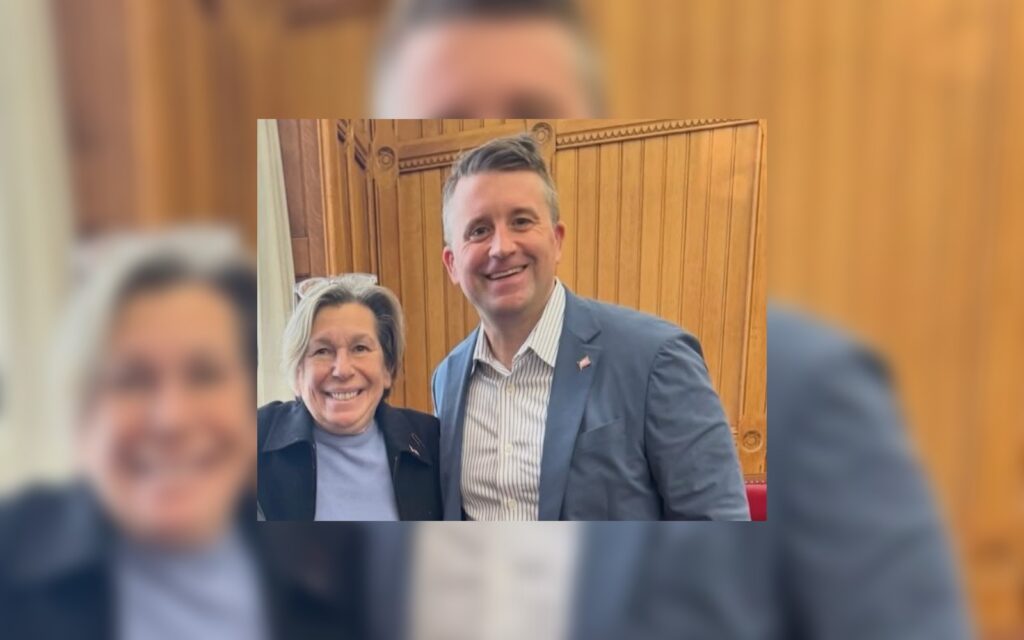
(Image credit: Instagram / joshcowenmi)