Not states, but territories – Puerto Rico, Guam, U.S. Virgin Islands, American Samoa, Northern Mariana Islands showcase culture beyond the continental U.S.
(Editor’s note: A series on The Great American State Fair, held in Washington, D.C., in honor of America’s 250th birthday, written by Heartlander News interns.)
Beyond the 50 states,…
(Editor’s note: A series on The Great American State Fair, held in Washington, D.C., in honor of America’s 250th birthday, written by Heartlander News interns.)
Beyond the 50 states, the five U.S. territories were also represented at the Great American State Fair, highlighting the history, culture and strategic importance of America’s island possessions.
Puerto Rico
Puerto Rico became a U.S. territory in 1898 following the Spanish-American War and has remained an unincorporated territory ever since. Puerto Ricans became U.S. citizens in 1917. Representatives traveled from the Caribbean island to showcase its culture and industries, including rum production and pharmaceutical manufacturing. According to booth displays, Puerto Rico produces 11 of the world’s top 20 medications.
The booth also featured an interactive salsa dancing kiosk where a recorded instructor taught visitors the basic steps of the popular dance. Salsa developed through the blending of Cuban and Puerto Rican musical traditions, and the display celebrated that cultural heritage.
Guam
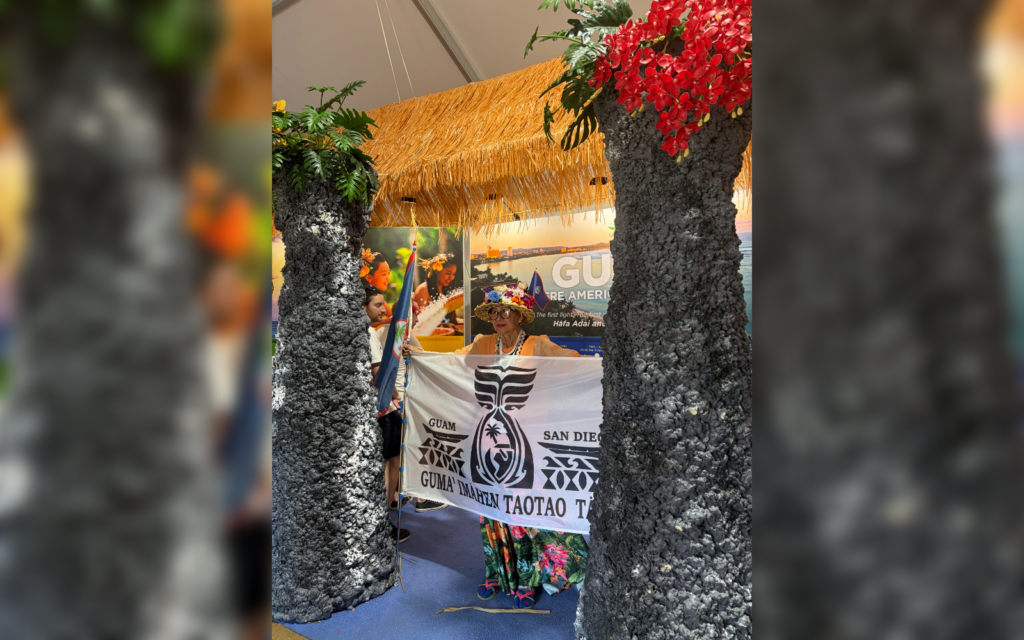
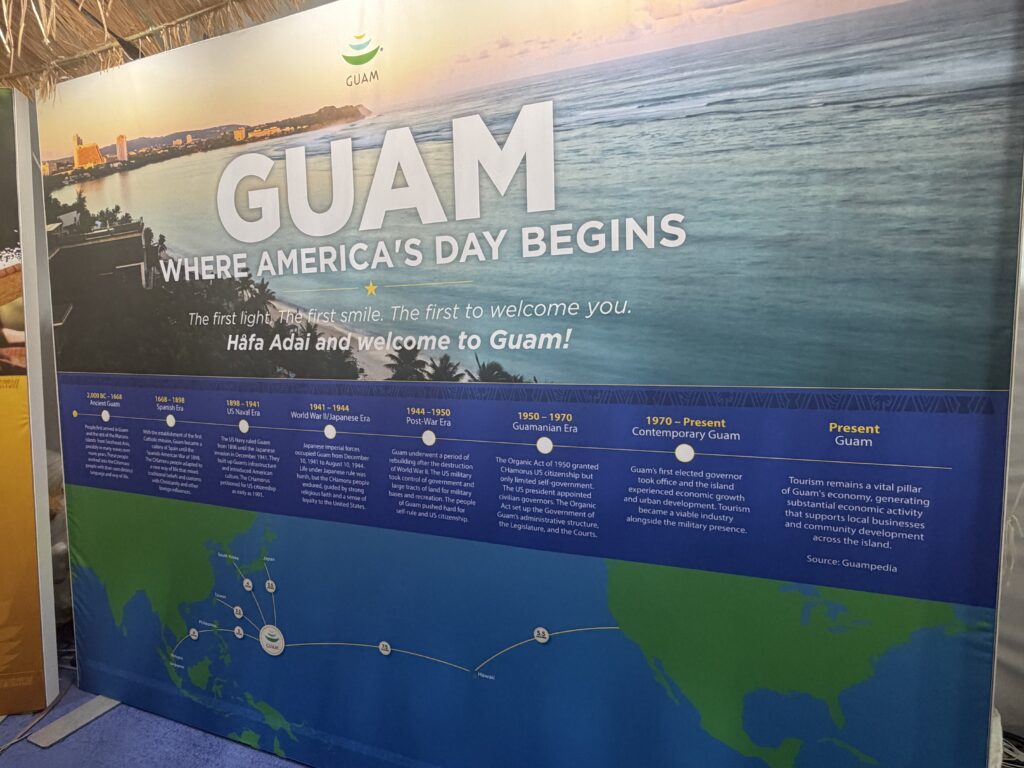
Guam became a U.S. territory following the Spanish-American War, and residents gained U.S. citizenship through the Organic Act of Guam in 1950. Located in the western Pacific Ocean, west of Hawaii, Guam is known for its beaches, World War II history and Chamorro culture.
After the attack on Pearl Harbor in 1941, Japanese forces captured Guam, making it the first U.S. territory to fall during World War II. American forces liberated the island in 1944.
The booth featured traditional Chamorro music, dancers wearing floral headdresses and grass skirts, and exhibits highlighting the island’s history and culture.
As America’s westernmost territory, Guam promotes itself as “Where America’s Day Begins.” Booth displays noted the native Chamoru people endured Japanese occupation during World War II while remaining loyal to the United States. Tourism is a major part of Guam’s economy and the exhibit encouraged visitors to experience its beauty firsthand.
American Samoa, Northern Mariana Islands and U.S. Virgin Islands
American Samoa, the Northern Mariana Islands and the U.S. Virgin Islands did not send official exhibits to the fair. Instead, they shared a booth with stock backdrops provided by the event.
American Samoa is the only U.S. territory south of the equator and lies about 2,000 miles southwest of Hawaii. The islands are home to Pago Pago Harbor, one of the Pacific’s best natural harbors, which served as an important U.S. naval base during World War II.
The Northern Mariana Islands, located near Guam in the western Pacific, also hold strategic military importance. During World War II, U.S. Army Air Forces launched B-29 bombers from airfields on the islands for missions over Japan, including the atomic bombings of Hiroshima and Nagasaki in 1945.
The U.S. Virgin Islands lie southeast of Puerto Rico and are known for their historic districts and beaches. The United States purchased the islands from Denmark in 1917 to prevent Germany from establishing a strategic presence in the Caribbean during World War I.