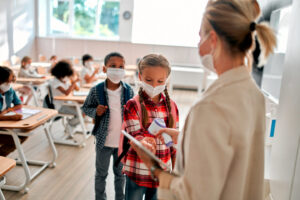
North Carolina district removes all fresh produce in attempt to avoid foodborne illness
As the number of cyclosporiasis cases rises nationwide, one North Carolina district is removing all fresh produce from school cafeterias until September, WRAL News reported.
While…
As the number of cyclosporiasis cases rises nationwide, one North Carolina district is removing all fresh produce from school cafeterias until September, WRAL News reported.
While pediatricians recommend precautions such as thoroughly washing fruits and vegetables before eating, schools do not always provide those options for families, according to the news outlet.
For example, Phillissia Glenn told reporters her children are currently away from home at summer camp and preschool.
“They get food from outside sources,” she said. “I don’t want them to get sick.”
The Centers for Disease Control and Prevention reported about 7,000 cyclosporiasis cases confirmed or under investigation across 34 states since May 1, according to CNN.
Caused by the parasite Cyclospora, the disease often causes diarrhea lasting several days.
The FDA and Centers for Disease Control and Prevention issued a warning about shredded iceberg lettuce at Taco Bell restaurants in Indiana, Kentucky, Michigan, Ohio and West Virginia. Health officials recommend uncut, whole produce over packaged, precut items, CNN reported.
Parents should especially guard against dehydration if their children contract the illness, according to WRAL News.
“It’s just much harder for them to keep up with those fluid losses,” said Emily Greenwald, a pediatric emergency medicine physician at Duke University Hospital. “They’re more likely to get dehydrated.”
Produce ‘still an important part of a healthy diet’
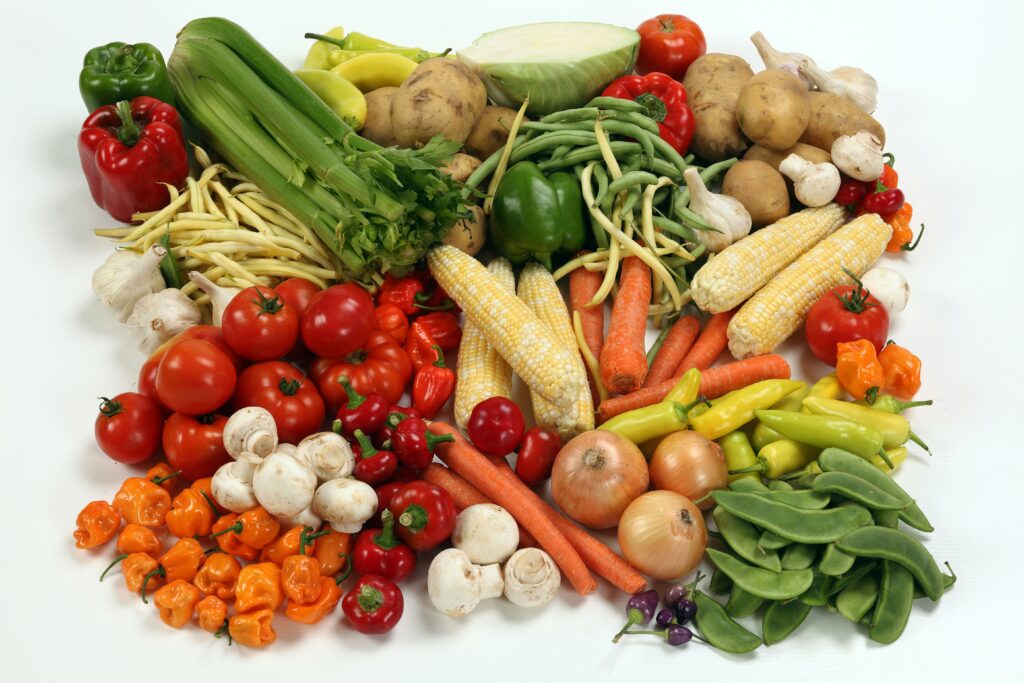
At the same time, experts recommend continuing to eat whole fruits and vegetables “because they are still an important part of a healthy diet,” according to the outlet.
“My personal risk threshold allows me to continue eating what I normally eat, with a little more caution about preparation, because I know that – whatever the source of the pathogen is – the vast majority of fresh fruits and vegetables on the market are safe to consume,” said Don Stoeckel, a longtime collaborator with the Cornell National Good Agricultural Practices Program.
Stoeckel, an environmental microbiologist and associate with the Produce Safety Alliance, also cautioned against using certain chemicals to clean produce.
“Stay away from soaps and detergents or other additives that are not meant to be eaten. Dilute sanitizers are not effective against protozoan pathogens like Cyclospora and could cause more harm than good.”
Ultimately, the majority of cyclosporiasis cases do not require hospitalization or emergency care.
“Other than lasting longer than those typical three days, really it’s no different than any other diarrheal illness,” Greenwald said.
“The vast majority of people, including children, will work through this on their own and are not going to spread it around the entire school just because of the way it is spread.”
(Image credit: Photo by Randy Fath on Unsplash)