New law gives Missouri schools elite option for campus safety with ‘Rangers’ program
A new law in the Show-Me State aims to protect students from mass shootings by creating a specialized, elite school safety force called the Missouri Rangers.
Gov. Mike Kehoe signed it into…
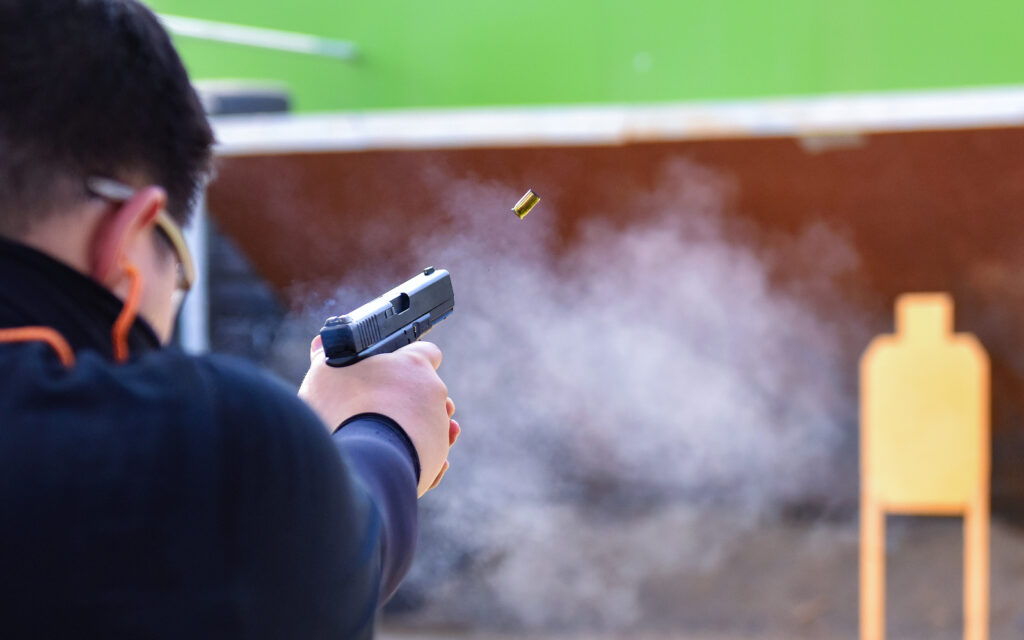
A new law in the Show-Me State aims to protect students from mass shootings by creating a specialized, elite school safety force called the Missouri Rangers.
Gov. Mike Kehoe signed it into law Thursday as part of a public safety bill.
Sen. David Gregory, R-Chesterfield, introduced the original legislation to bridge the gap between armed security and law enforcement in schools. Gregory says he is thankful for the bipartisan support the bill received from his colleagues in both chambers.
“We need our kids safe in schools. That is something nobody disagrees with,” Gregory told Heartlander News. “At times when we see school shootings on the rise, we don’t want to wait. We don’t want to be reactive and wait until it becomes a big media frenzy to try to do something about it.”
The new law directs the Peace Officer Standards and Training (POST) commission to establish a rigorous training program for the Missouri Rangers. Rangers will act as a force multiplier with limited arrest powers confined strictly to school property.
Applicants will have to pass an initial physical fitness test Gregory describes as more difficult than the requirements to become a U.S. Marine. Once admitted, candidates undergo training resembling a U.S. air marshal program. The program focuses heavily on close-quarter combat, heightened shooting tests and proactive building hardening.
The POST commission will design the final coursework parameters. The plan is to offer an accelerated training course to be completed in 30 days or spread over a three-month period of nights and weekends.
Gregory says the state is facing an all-time low in police recruiting and hiring full-time officers is too expensive for many districts. The Rangers program aims to solve both problems by allowing schools to hire dedicated personnel or utilize trained volunteers.
The program is entirely optional. Schools can choose whether to hire a Ranger or stick with traditional school resource officers. School boards also retain complete control over what type of firearms a Ranger is allowed to carry on campus.
“You may say, ‘Look, I want that highly qualified Ranger, but I only want him carrying a pistol, and I want it to be concealed because this is kindergarten, and we don’t want them seeing the gun,'” Gregory said. “You’re allowed to do that, and what is so beautiful about this bill is each school has so much autonomy to decide if they’re even going to implement this program.”
Gregory dismissed critics who warned the legislation would put more guns in schools.
“To combat a school shooter, especially one with a rifle, you better have someone well trained with equal firepower, or that school shooter is going to have a lot of time on campus to hurt those kids,” Gregory said.
He argues highly trained officials are necessary to combat serious threats and reduce response times, which is on average about three to seven minutes for traditional police.
“Imagine seven minutes, a school shooter unopposed is going through killing our students. It’s not acceptable,” Gregory said.