
New Hampshire reminds public schools to serve school choice students
The New Hampshire Department of Education issued a technical advisory reminding public schools to allow Education Freedom Account (EFA) students access to curricular and co-curricular…
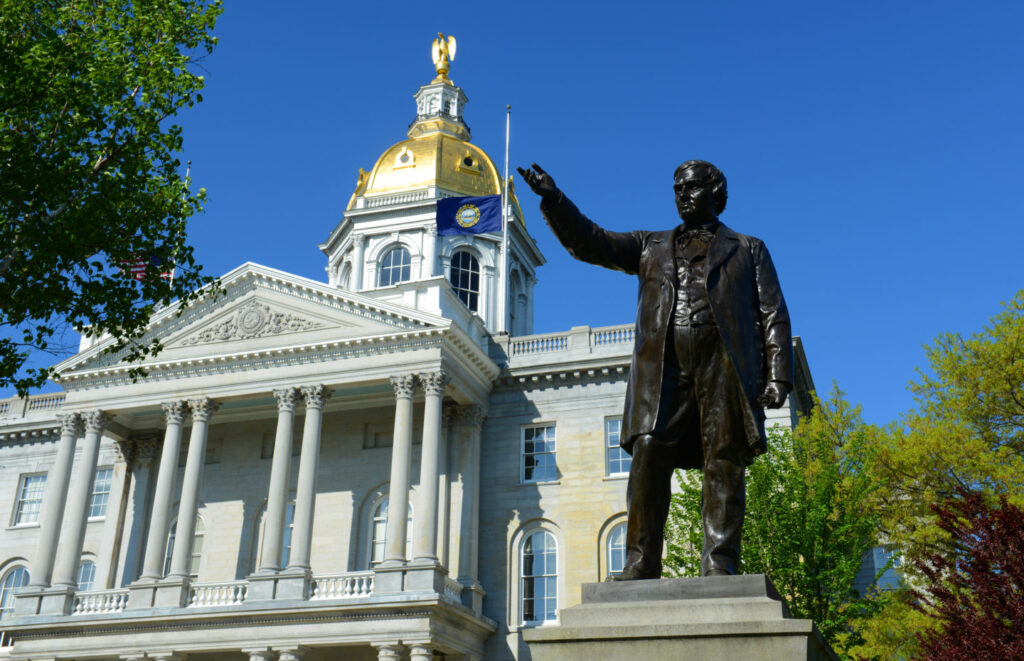
The New Hampshire Department of Education issued a technical advisory reminding public schools to allow Education Freedom Account (EFA) students access to curricular and co-curricular programs.
“This bill expands access to curricular courses and cocurricular programs within school districts for education freedom account students,” reads HB 1817, the House bill amending student access to public school resources that went into effect in August.
The New Hampshire EFA program was launched in 2021 and provides qualified students with around $5,000 in state funding for educational resources such as private school tuition, tutoring and supplies. Since its inaugural year, the EFA program has grown substantially, from 1,635 enrollees to 10,510 for the 2025-26 school year.
Previously, EFA students were required to gain special permission from public schools to use their resources, according to News From The States. Some public school districts even required EFA students to pay tuition to participate in their programs, according to the advisory.
The bill was signed into law and took effect for this school year, and the technical advisory was issued in September.
The law applies to students living within the school districts, allowing them access to curricular courses as well as co-curricular programs such as clubs, sports, performing groups and career and technical education programs, along with standardized testing such as the PSAT, provided there is space in the existing programs.
Public schools are now required to treat EFA students the same as homeschooled and public charter school students, who have had access to public school resources for years.
However, a key difference remains. When a public school in New Hampshire accepts a homeschooled student who does not have an EFA, it receives 15% of the state funding it would receive for a full-time student when the student takes an approved academic course, calculated per credit in grades seven through 12. When a public school accepts an EFA student, it does not receive reimbursement.
Mark Manganiello, the Department of Education’s bureau of school finance administrator, explained that providing the 15% reimbursement for EFA recipients would require the state to pay for those students twice, once for their EFA account and again for resources at public schools, according to News From The States.
In response to the bill’s proposal in June, New Hampshire’s largest teachers’ union, the NEA-NH, said local taxpayers would “pay twice–once for a voucher and again for classes provided by the local public school.”
But EFA supporters say students and their families are receiving access to resources they already pay for with their taxes.
“HB 1817 brings consistency to [the public school] system by making clear that EFA students should have access to the same opportunities already available to other resident students,” Kate Baker Demers, the executive director of Children’s Scholarship Fund in New Hampshire, told NH Journal.


