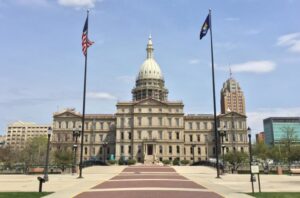
Michigan expands school meal program to include nonpublic schools
A $22.9 billion state education budget for Michigan includes an increase in funding for free school meals to private schools in addition to public schools.
With a $400,000 addition…
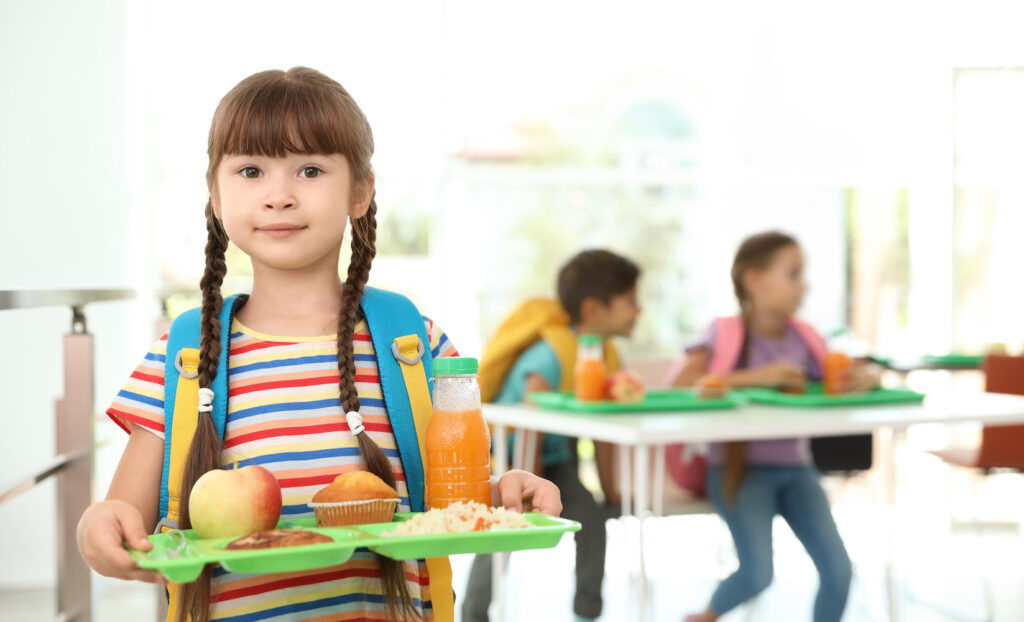
A $22.9 billion state education budget for Michigan includes an increase in funding for free school meals to private schools in addition to public schools.
With a $400,000 addition to cover the nonpublic schools, the total budget for free school meals came to $248.5 million overall, CBS News Detroit reported.
“We had a lot of families that had students in both public and nonpublic schools, and we were hearing from parents that ‘Why are our older children getting free and reduced lunch in the public school, but our younger children are not getting it in the nonpublic school?'” said Paul Stankewitz, Michigan Catholic Conference policy advocate. “So we had a good case to make.”
Nonpublic schools’ student demographics typically reflect those of public schools, Stankewitz said – adding the number of nonpublic schools qualifying for the program more than doubled this year, from 40 to 99.
“I think legislators have been fairly receptive. It was just a question of available funds.”
Previous problems from meal programs
Questions over funding have frequently beset these meal programs, which came to the national spotlight during and after the COVID-19 pandemic.
A federal waiver allowing schools to serve free meals to all children expired in June 2022, causing states to decide whether to continue funding such programs.
Last September, Michigan school districts were still debating the future of these meals after the state failed to pass its education budget by the July 1 deadline.
Other concerns include food waste and administrative inefficiencies stemming from the programs.
More than half of a school lunch’s cost is due to labor, supplies, facilities and administrative services – with only 44.7% of expenses coming from food, according to the School Nutrition Association.
Meanwhile, a 2020 study concluded homemade lunches at a median food price of $1.55 outperformed school ones, which typically cost more than $2.
Districts often pre-purchase perishable food without confirming whether it will be eaten or discarded – further adding to food waste, said Lance Christensen, vice president of government affairs and education policy at the California Policy Center.
“It’s a weird conversation every day with the kids,” he explained about meals. “It’s like, ‘Are you going to eat school lunch or not?’ as opposed to spending time debating sack lunches versus lunch money.”