Miami-Dade public schools offer facilities to microschools amid declining enrollment
The nation’s third-largest school district is offering its underused facilities to microschools amid declining enrollment.
Miami-Dade County Public Schools issued an invitation to…
The nation’s third-largest school district is offering its underused facilities to microschools amid declining enrollment.
Miami-Dade County Public Schools issued an invitation to negotiate on Oct. 30, seeking to “generate sustainable rental revenue and optimize public infrastructure.” An informational meeting for interested microschools is scheduled for Thursday morning.
Don Soifer, CEO and co-founder of the National Microschooling Center, told Heartlander News the announcement was “many months in the works.” Soifer first met with district officials about a year ago to discuss allowing microschools to use district facilities.
Miami-Dade reported nearly 19,000 fewer students at the beginning of the 2026-27 school year than the previous spring, according to WLRN. Although district officials cautioned that the figures were preliminary, Soifer called it “a strong, well-documented reality” that the school system likely had available space in its buildings.
Declining enrollment does not necessarily reduce the fixed costs of maintaining school facilities. Under the initiative, microschools could rent district space and potentially purchase additional services, such as meals and online courses, Soifer said.
Continued access to district-provided services for students with special needs “would be an important development that families and microschools would find highly attractive,” he added.
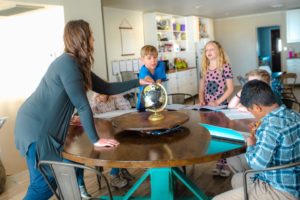
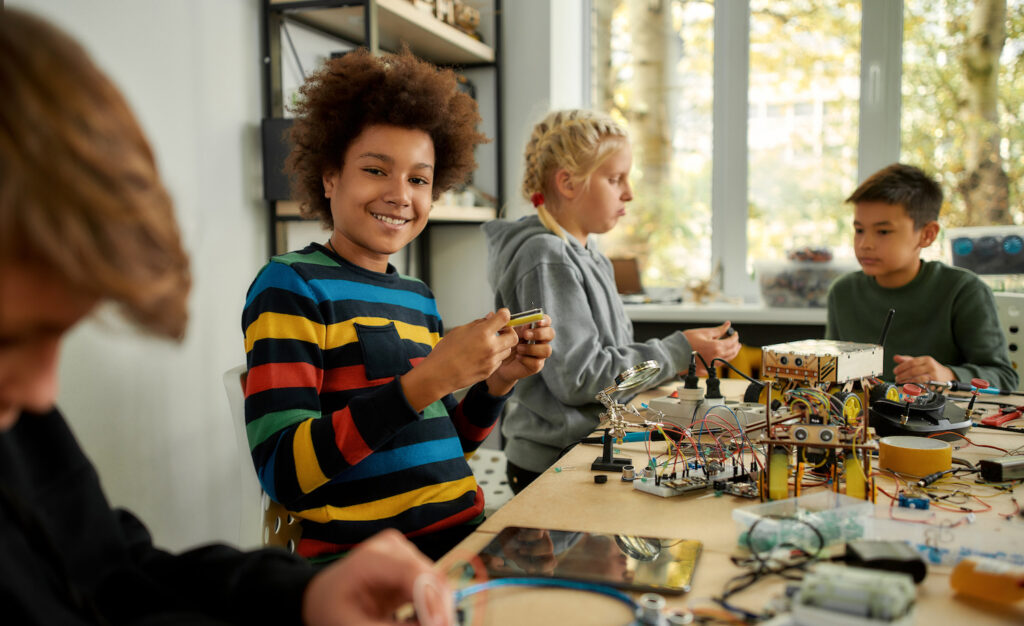
Microschools are typically small, community-oriented educational programs, but securing suitable, affordable facilities can be challenging. Soifer pointed to Miami’s expensive real estate market as a particular obstacle.
“It’s hard to attract families if you can’t show them the facility,” he told Heartlander News in a previous interview.
By making existing school buildings available, Miami-Dade could help participating microschools overcome some of the facilities challenges that have hindered their growth.
The initiative comes as microschooling and other alternative education models continue to expand. Florida added approximately 700 private schools between 2012 and 2022, according to previous Heartlander News reporting. The Sunshine State is a national leader in school choice with more than 500,000 students participating in several programs.
The district, which is also Florida’s largest, has a history of implementing initiatives that other districts watch closely, Soifer said. He noted that public school leaders have already expressed interest in microschooling. Indiana has launched public microschools and districts including Richardson, Texas, are considering them.
“They see the innovation, how families are responding, and they’re asking: How can we bring this energy into our districts?” Soifer said previously.
He believes other districts experiencing declining enrollment may consider similar partnerships. However, he cautioned that Miami-Dade’s success will depend on which facilities are offered, the terms negotiated and how the program is implemented.
“We’re hoping for a good amount of transparency in the decision-making process and in the negotiation process, so that others can learn from how this has gone,” Soifer said.
“Other school districts are going to be paying attention, whether it’s in Florida or in other parts of the country,” he added.