Massachusetts district recovering from cyberattack closing schools; Social Security numbers may have been compromised
One Massachusetts district has suffered a rocky start to the academic year – a series of cyberattacks that closed schools for several days and leaked information the FBI is still trying to…
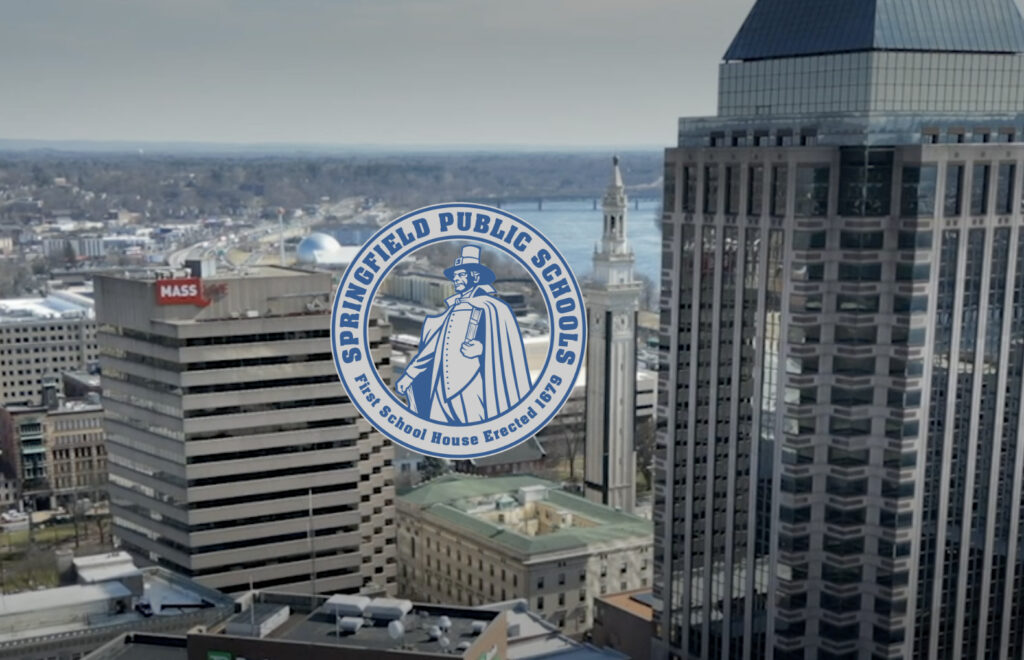
One Massachusetts district has suffered a rocky start to the academic year – a series of cyberattacks that closed schools for several days and leaked information the FBI is still trying to identify.
“The district fully understands the concerns this latest news raises for thousands of members of the Springfield Public Schools community,” a district spokesperson wrote, as reported by the local ABC affiliate. “We will continue to provide updates as more information becomes available.”
The district learned about the security breach from the FBI around 3:30 p.m. Sept. 8, according to the article.
“It remains unclear what information was breached and where the information was leaked,” the ABC affiliate observed. “According to officials, it’s possible that the breached information could include Social Security numbers for staff, although that is not confirmed at this time.”
Journalists noted it was “not common practice” for the school district to include student Social Security information in its data files, but all district personnel will receive free credit monitoring services because of the breach.
“Our priority remains supporting those who may be affected and working with our partners to understand the full scope of this incident,” the district spokesperson concluded.
The district, the state’s third largest with about 24,000 students across 66 schools, canceled classes Sept. 9-11 and had its first day of school Monday, Sept. 14.
‘Cybersecurity is often deprioritized’
As previously reported by Heartlander News, cybercriminals are increasingly targeting schools nationwide, according to analysts.
“The education sector is one of the slowest adopters of modern cybersecurity solutions, typically due to a lack of funding, causing limited resources, outdated technology, and more,” wrote the Douglas Stewart Company, an education-focused distributor, in a Sept. 2 blog post.
“Cybersecurity is often deprioritized in K-12 education in favor of staff salaries, school resources and infrastructure upgrades with their limited budgets.”
As a result, all schools “from local kindergartens to internationally renowned higher education institutions” are at risk, the blog post concludes.
“By some estimates, schools see 50 times more attacks than financial institutions. In just one month, more than 80% of all cyberattacks targeted public schools within the U.S.”
Data targeted by cybercriminals can range from names, addresses and emails to Social Security numbers, medical data and loan information, according to the blog post.
“With hybrid and fully remote learning, it is easier than ever for cybercriminals to attack frequently unvetted personal devices using unvetted connections.”