Kansas should welcome the industry powering President Trump’s rural comeback
Rural America has been left behind by Washington for too long. In recent years, its economic prospects have plateaued, with few opportunities to bring true prosperity to local communities….
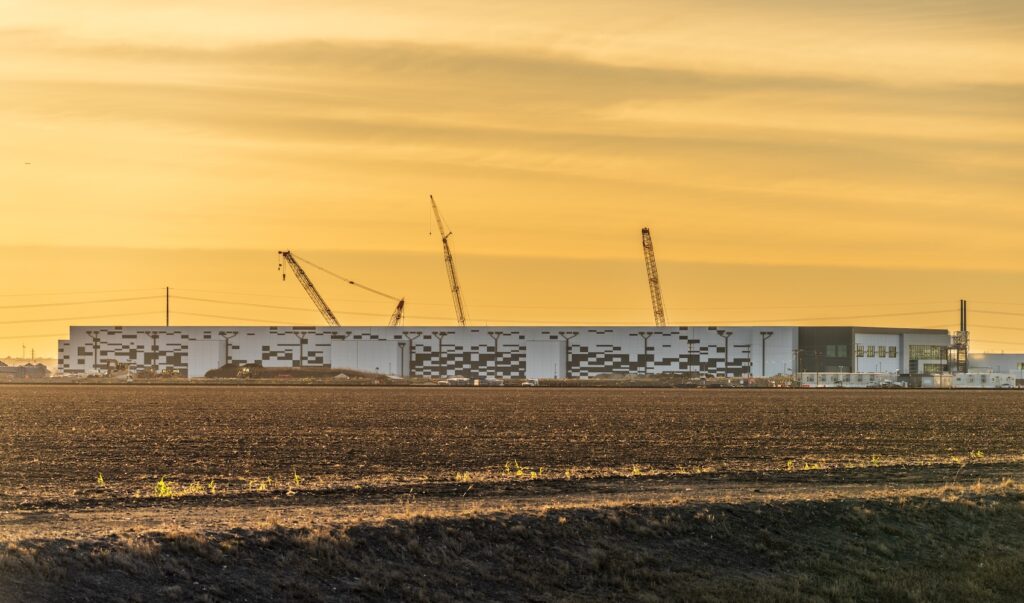
Rural America has been left behind by Washington for too long. In recent years, its economic prospects have plateaued, with few opportunities to bring true prosperity to local communities. Fortunately, President Trump and his administration are determined to change that. The fastest, most concrete path is to bring real private capital and real jobs into counties that have not seen either in a generation. Few industries can do that at the scale and speed of data centers.
In communities from Topeka to Salina to western Sedgwick County, developers are increasingly looking at Kansas. They see what the President saw when he negotiated the Ratepayer Protection Pledge with major technology and infrastructure companies earlier this year. Kansas has the land, the energy resources, and the workforce to host the infrastructure that will determine whether America or China leads the next decade of artificial intelligence. The question for Topeka and every county commission in the state is whether we want to compete for that investment.
A new report from the National Taxpayers Union, Speed to Power, lays out the case in numbers any farmer or small business owner can understand. In the first half of 2025 alone, the data center industry injected $727 billion into the U.S. economy. That money flowed into the communities that hosted the projects. A single facility can generate millions in local property tax revenue that funds rural school districts, volunteer fire departments, and county roads. For every direct data center job, six more are created in the surrounding supply chain. The NTU study also documents counties using new industrial tax revenue to ease pressure on homeowners and local taxpayers.
Critics warn about energy usage at this scale. The numbers tell a different story. NTU cites Lawrence Berkeley National Laboratory research showing that states with the largest electricity load growth between 2019 and 2025 also saw average retail electricity prices decline. The reason is straightforward. When a large industrial customer commits to long-term purchases, utilities can spread fixed grid costs across a larger base, reducing pressure on existing households and businesses.
The President’s actions reflect this principle. Participating companies are committed to building or financing their own power generation, covering grid upgrades, and entering long-term agreements with utilities that protect ratepayers from added costs. Kansas should welcome that arrangement.
Rural Kansas knows what happens when capital passes us by. We saw it with manufacturing in the 1990s and with broadband over the last two decades. We cannot afford to repeat that mistake. Chambers of commerce, civic groups, and local leaders from Wichita to Hutchinson to Leawood should be inviting these companies to the table. The economic opportunity is real, and the data do not support the fears that would turn it away.
President Trump has made rural prosperity a core promise of his second term. Kansas has everything it needs to lead the way.
James Clendenin is a former member of the Wichita City Council.