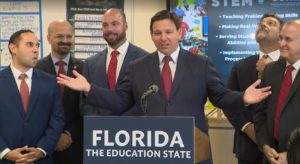
Florida’s Department of Health has proposed removing four vaccines from those required for public school children
The proposed rule would allow students to attend K-12 public school without receiving vaccines for chickenpox, hepatitis B, Haemophilus influenzae type b (Hib) or pneumococcal disease.
Unless…
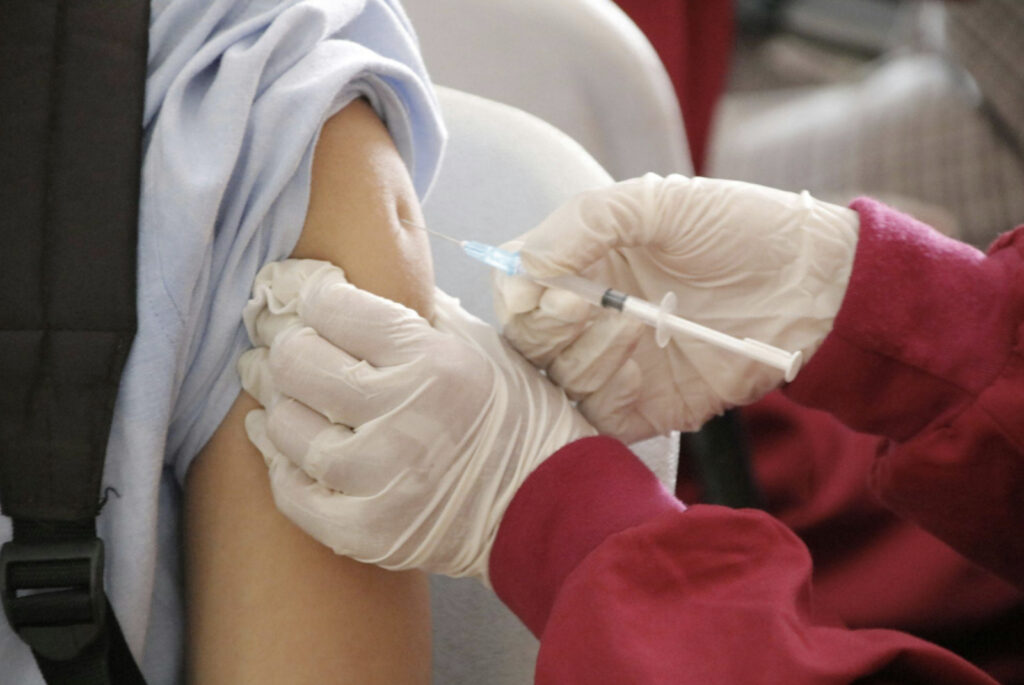
The proposed rule would allow students to attend K-12 public school without receiving vaccines for chickenpox, hepatitis B, Haemophilus influenzae type b (Hib) or pneumococcal disease.
Unless they had an exemption, children would still need to receive the MMR, polio, diphtheria and tetanus vaccines.
Florida is inviting the public to comment on the proposed rule until Sept. 14, 2026.
The rule would also broaden vaccine exemptions to include moral or ethical concerns, as well as religious ones.
All states already allow religious and/or personal exemptions to school mandates, with four exceptions: California, New York, Connecticut and Maine.
These states only allow medical-related exemptions.
Florida’s State Surgeon General Dr. Joseph Ladapo has been a vocal critic of vaccine mandates, calling them “wrong” and reminiscent of slavery.
“Who am I as a government or anyone else, or who am I as a man standing here now to tell you what to do with your body?” Ladapo said in 2025.
And Florida isn’t the only state rethinking vaccine mandates.
In 2026, Iowa, New Hampshire and West Virginia all considered bills to completely end immunization requirements for public school children, though none ultimately passed.
Nevertheless, the legislation reflects a nationwide trend.
According to recent federal data, vaccination exemption rates are on the rise in 41 states and the District of Columbia.
Opt-out rates rose to 4.2%, up from 3.6% the year prior.
Rates for certain shots held steady, such as hepatitis B, which is usually given at birth. But vaccinations for polio and chickenpox, as well as the combination vaccine against diphtheria, tetanus and pertussis, all declined.
President Trump has also supported reducing the number of required immunizations and giving parents more choice.
“Decades ago, children received only a small fraction of the vaccines required today, and in those times people were much healthier,” he explained in August. “Parents can still choose to give their children all of the vaccinations if they wish. It’s up to the parents.”