Current law lets pregnant workers seek abortion-related accommodations; that could soon change
Updates to a law protecting pregnant women in the workplace have been in the works for months, yet some news outlets gave the potential changes prominent coverage just before the midterm…
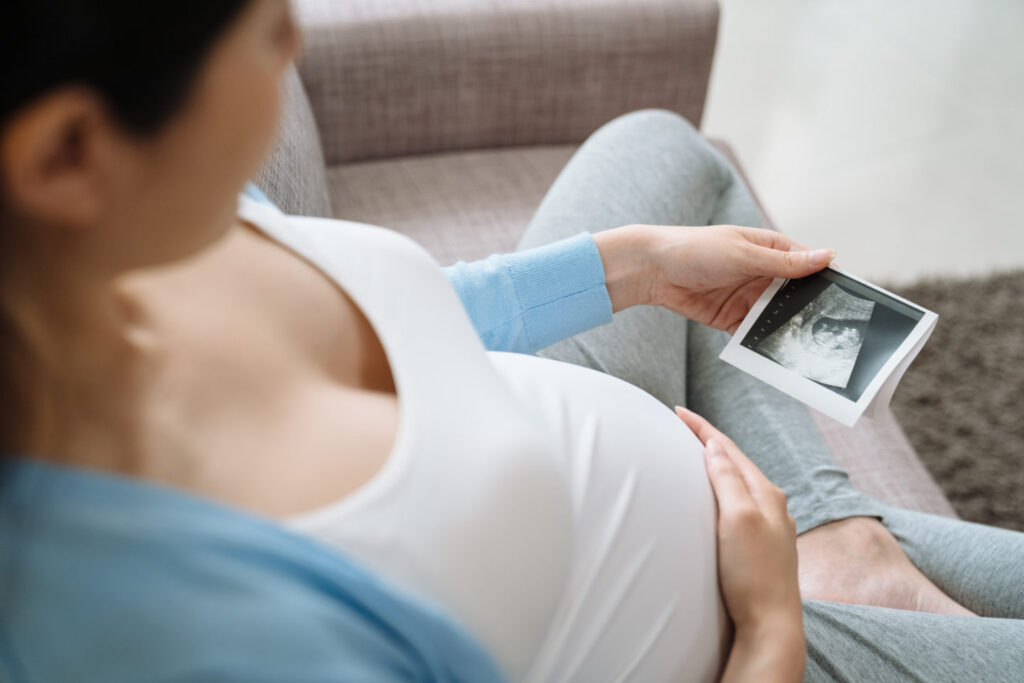
Updates to a law protecting pregnant women in the workplace have been in the works for months, yet some news outlets gave the potential changes prominent coverage just before the midterm elections.
The Pregnant Workers Fairness Act (PWFA), which requires employers to provide accommodations for pregnant workers, was passed in 2022 under the Biden administration and implemented the following year.
Andrea Lucas, chair of the Equal Employment Opportunity Commission (EEOC), the agency responsible for enforcing the PWFA, has opposed parts of the federal law for years because of its interpretation of “pregnancy, childbirth or related medical conditions.”
The current language in the PWFA allows accommodations for things such as abortion and fertility-related treatments.
The New York Times published an article Monday with the headline “Trump Administration Said to Plan Rolling Back Pregnancy-Related Job Protections.”
“The moves will limit the impact of a 2022 law that was meant to fill a gap in disability and discrimination protections that employees are guaranteed at workplaces,” the article states. “It was intended to provide accommodations for pregnant workers, such as bathroom and water breaks, reprieves from heavy lifting or time off for prenatal appointments.”
Other news outlets, such as People, have also reported on the possible PWFA changes, citing The New York Times as a source. People published an article titled “Trump Administration to Slash Workplace Protections for Pregnant Employees: Report.”
Most protections remain
Despite what some news articles have said, Rachel Morrison, a former EEOC attorney and current fellow at the Ethics and Public Policy Center (EPPC), clarified the potential changes to the PWFA are not new and have been known for months.
Also, protections such as bathroom and water breaks at work would not be affected by the changes as they are reasonable accommodations unrelated to the definition of “pregnancy, childbirth or related medical conditions.”
“The New York Times piece was a conveniently timed article to fear monger right before the midterm elections,” Morrison told Heartlander News in an email.
The EEOC confirmed the PWFA remains on the public regulatory agenda, but said it could not comment on ongoing rulemaking deliberations.
An EEOC spokesperson added in an email to Heartlander News that the agency’s commitment to protecting pregnant women in the workplace is evident through its enforcement of the PWFA.
The EEOC has been involved in more than 40 lawsuits and other public enforcement actions since the start of the second Trump administration, according to the spokesperson.
“Chair Lucas understands firsthand the importance of protecting pregnant women in the workplace,” the spokesperson said, noting that Lucas has two children, one of whom was born during her time at the EEOC after a high-risk pregnancy.
“She is proud to serve in the most pro-family Administration and remains deeply committed to enforcing the laws that protect pregnant workers.”
In one of its most recent cases, the EEOC helped secure a settlement last week in which a North Carolina company agreed to pay $245,000 over allegations that it fired an employee after she requested reasonable accommodations for her pregnancy. The alleged conduct violated the PWFA, according to the EEOC.
Lucas has long expressed opposition to the broad scope of the PWFA’s current language. Although that scope could be narrowed in the future, the mission of protecting pregnant women in the workplace remains unchanged.
“Any updated PWFA regulations will not change the EEOC’s or Chair Lucas’ commitment to protect pregnant women and mothers in the workplace from unlawful discrimination,” Morrison said.