Connecticut urges school cellphone restrictions but stops short of bell-to-bell ban
In response to a national trend, the Connecticut State Board of Education has encouraged schools to implement bell-to-bell restrictions on cellphones and other devices – but still allows districts…
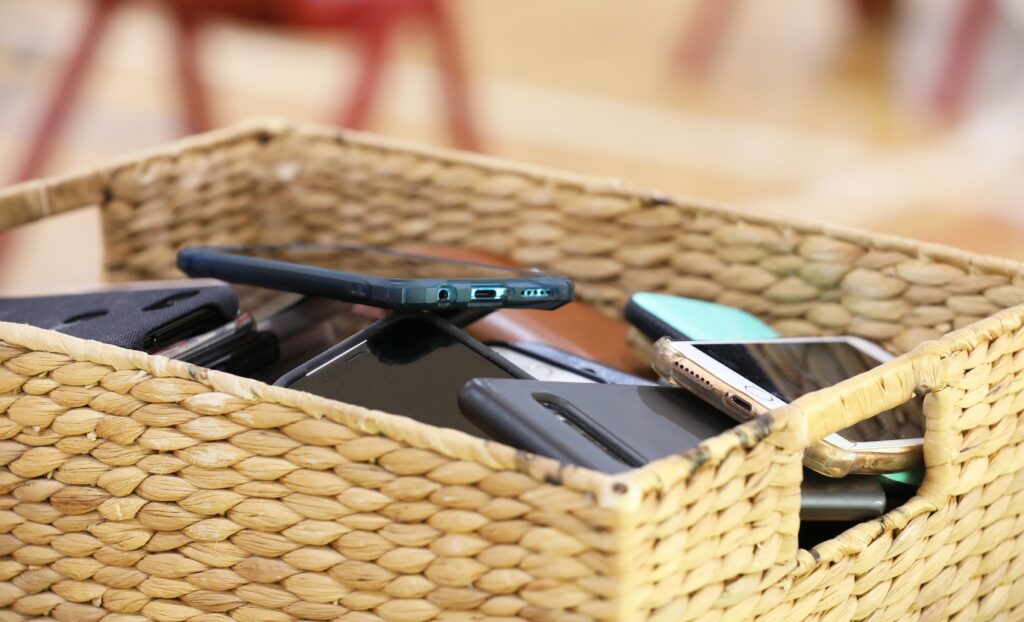
In response to a national trend, the Connecticut State Board of Education has encouraged schools to implement bell-to-bell restrictions on cellphones and other devices – but still allows districts to decide.
“Most schools in Connecticut have implemented policies in line with the 2024 guidance, but only 31% of high schools have gone as far as implementing a bell-to-bell ban,” explains The Connecticut Mirror of previous policies.
“While it’s too early to say whether the General Assembly will turn these recommendations into a statutory requirement, it’s not out of the question. After the board released its 2024 guidance, legislators passed a law requiring districts to align their cellphone policies accordingly.”
As previously reported by Heartlander News, more than half of U.S. states have adopted full bell-to-bell bans in schools, with Georgia becoming the 27th state in March.
“The state must reclaim the school day for its intended purpose — educating our children and helping them develop the social and emotional skills they need to succeed,” wrote Ashley Gross in supporting a cellphone ban for Washington state.
‘Off and away’
The new guidelines announced Aug. 5 adds “personal technology” to its policies, which indicates “the state is also casting its net beyond cellphones,” The Connecticut Mirror noted.
“Moving beyond personal technology, the new guidance also urges districts to audit their educational technology in order to figure out the impact it has on schools and, if appropriate, shift away from ‘screen-based learning.’”
Education officials such as Meriden Public Schools Superintendent Mark Benigni applauded the board’s decision to leave decision-making ultimately to each district.
Benigni’s district describes its cellphone approach as “off and away,” where students can still use their devices at lunch and in hallways. However, unless the teacher specifies otherwise, all devices must be switched off and put away in classroom settings.
“Meriden Public Schools will continue to support our ‘off and away’ procedures, and the district does not intend to make any changes at this time,” Benigni observed.
Criticisms of school cellphone use include academic, social and emotional challenges for students.
“Data shows that 72% of U.S. high school teachers say cellphone distraction is a major problem in the classroom,” said Pennsylvania Democrat Sen. Vince Hughes in a release last year calling for all-day cellphone-free policies.
“Bell-to-bell legislation is a commonsense approach to getting kids off of their screens and social media during school hours and back to what’s happening in the classroom.”
Youth suicide and cellphone use have also been linked in some studies. Cellphones have also been cited as a factor in youth suicide.
“Since the early 2010s — when smartphone ownership among teens skyrocketed from 23% to 73% — rates of depression, anxiety, and suicide among adolescents have surged,” the release concluded. “The suicide rate for children ages 10-14 has tripled since 2007.”
Despite the concerns, students show no signs of voluntarily giving up cellphone use.
“Whether that policy is actually followed is a question that remains unanswered,” said Shepard Fisher, a new student member of the State Board of Education. “I know from my experience as a student, the transparent … answer is no.”