Audit: Kentucky’s largest school district runs deficits, spends millions on administration, DEI as students struggle
Kentucky’s largest school district is operating at a fiscal deficit while spending millions of dollars on administrative salaries and ideological programs – while graduating students who are…
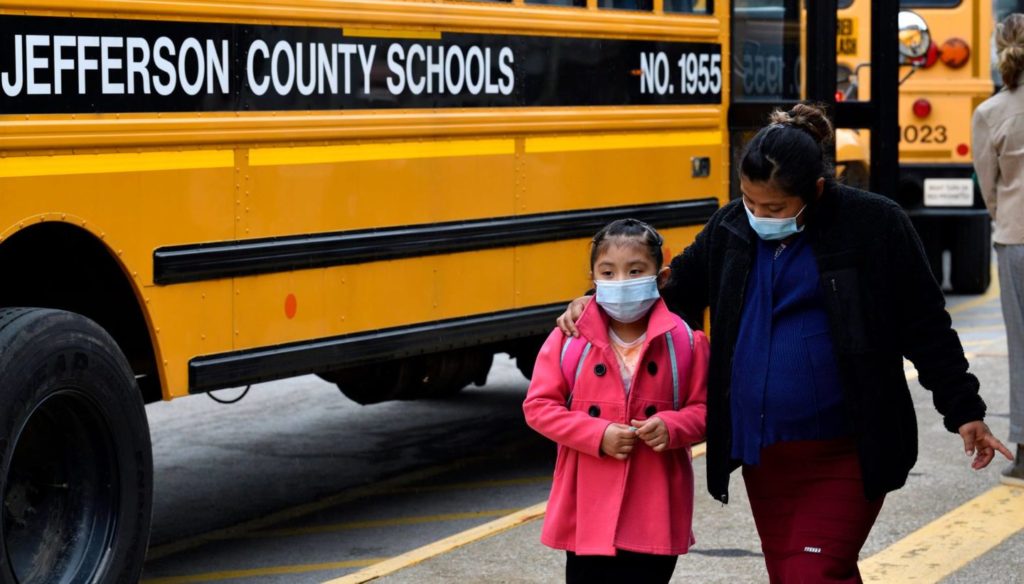
Kentucky’s largest school district is operating at a fiscal deficit while spending millions of dollars on administrative salaries and ideological programs – while graduating students who are ill-prepared for college and careers, a new state audit says.
“The finances are a huge issue, but student outcomes are actually as bad, if not worse,” Kentucky Auditor Allison Ball told Heartlander News in an interview. “And that’s really the job of the schools: to be good stewards of the money, but their job is to make sure they’re educating students.”
Ball investigated Jefferson County Public Schools, the Louisville-based district that serves 1 in 7 Kentucky students, over fiscal years 2022 to 2026 and found a “lack of communication and goal setting,” with expenses exceeding revenue every year, she said in a press release. The June 30 report highlighted problems and proposed solutions for the district to overcome its financial deficit and improve student outcomes.
Ideological programs yield zero statistical outcomes
While delaying billions of dollars in maintenance repairs and improvements, the school system has designated 40 staff members and significant funding to its diversity, equity and inclusion program, now under the name Diversity, Equity, & Poverty (DEP), according to the report. Black students – the demographic the program claims to assist – make up 36% of the district’s enrollment but trail the average JCPS student by 14 percentage points and the average Kentucky student by 27 percentage points, according to the press release.
“They’re the students that the program is designed to help the most, and their numbers have only gone down when you look at the whole during the period of time that the DEI program has been in place,” Ball told Heartlander News.
Additionally, the system lost nearly $10 million in federal funding in October 2025 because of its DEI program. Federal funding made up 13% of the district’s budget in 2024-25, yet the superintendent has vowed to continue the DEI initiative.
“They know that they’re looking at the possibility of losing more federal dollars, and their new superintendent has persisted,” Ball said. “We actually have a statement from him where he’s felt like it’s his moral obligation to continue this program. The program is not working. It’s very bureaucratic.”
Meanwhile, JCPS boasts “career-ready” programs, but only 15% of the district’s seniors are officially enrolled at a college or university, and 44% failed to earn a “career readiness indicator,” which includes an industry certification, apprenticeship or dual credit, among other programs, according to the report.
Ball said college and career preparation programs will not be successful if schools fail to teach students the fundamentals of education, such as critical thinking, reading, writing and mathematics.
“We want (students to be) welders, but they have to be able to do the basic functions of being critical thinkers, of being readers, being people who are competent when it comes to mathematics, and I think that’s where you see that JCPS is really dropping the ball,” she said. “It almost gives the impression that some of their career-focused programs are shiny and nice, but you can’t even get to that point until you have students who are competent on basic things like reading and arithmetic and science – the core functions of school.”
Administrators earn more while teachers struggle
While JCPS is struggling with both its financial performance and student preparedness, administrators’ salaries far exceed national averages. Teacher salaries, however, are below the national average, according to the report.
In 2025, the district operated with more than 220 vacant teaching positions, but at the same time, JCPS employed significantly more administrators, with a 1:137 administrator-to-student ratio. That compares with a 1:351 administrator-to-student ratio in San Diego, Ball explained.
“When you really do a deep dive on this, you see that not enough has been invested on the boots-on-the-ground teachers, and quite a bit has been invested in the central office and the administrative posts,” she said.
The report also found the district board lacks a “strategic plan” for goals, priorities or financial decisions, and stakeholders complained about a lack of transparency and input in board decisions.
During the auditor’s multiyear investigation, the superintendent position changed hands, which Ball said was significant because many staff members said they feared they would lose their jobs if they reported the district’s declining financial situation under the previous superintendent.
“So it was a perfect storm of increasing financial nightmare at JCPS because people didn’t feel like they could report accurate information,” she said.
Potential improvements coming
The new superintendent, however, appears willing to make some changes, Ball said, noting his 15-page response to the report indicates the district has already begun a corrective action plan, with additional improvements planned for financial planning and human resources.
The report reflects national trends across public school districts, including a reliance on technology. Chromebooks in classrooms have allowed teachers to “pass the time” and let the devices “babysit the students,” Ball said.
The report’s findings on bureaucracy, ideology and financial waste are likely not limited to JCPS, she added.
“I think everybody should be evaluating where are you spending your money. Often, the money is not going to programs that are really making a difference in student outcomes.”
Ball said she hopes JCPS implements real change to improve the district, not just financially but, more importantly, for students.
“They have recognized, especially the financial problems, because at this point there’s no denying it. But they’ve also recognized the student outcomes, and they have already begun making some changes that we have recommended,” she said. “So, I have a lot of hope that this is not just a blueprint that’s not going to go anywhere, but that’s a blueprint that they’re going to take up.”