Changing lice policies in schools leave parents scratching their heads
Parents are voicing increased frustration this year over head lice school policies, which have changed from the “No Nit” directives of the 1980s to threatening truancy if affected students stop…
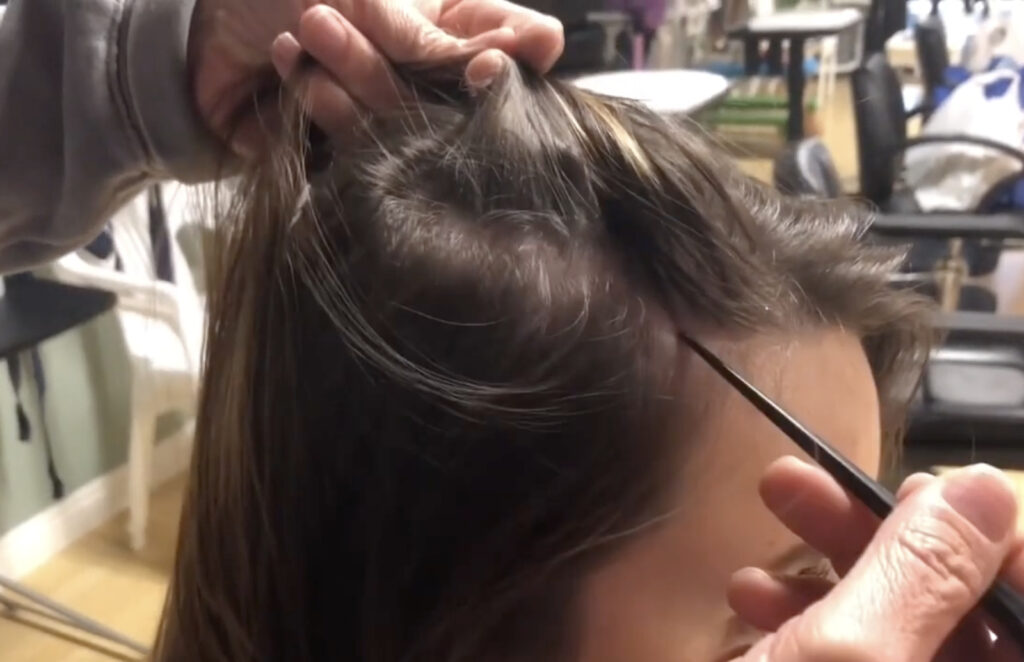
Parents are voicing increased frustration this year over head lice school policies, which have changed from the “No Nit” directives of the 1980s to threatening truancy if affected students stop attending.
“In the school district we live in, lice is an unexcused absence, and you only get so many of those before they send you over to truancy,” Amanda Kirby, a mom in Salina, Kansas, told Yahoo. “I just thought that was ridiculous. Now parents are getting in trouble for keeping their kids home when they have head lice?”
Lice, officially known as pediculosis capitis, is a common condition that tends to cause itching but does not transmit illnesses or disease.
Increasingly, schools such as the John Pierce School within Massachusetts’ Public Schools of Brookline district are remaining silent over lice infestations, leaving parents to hear about them from other sources or remain unaware.
“As recently as last school year, Pierce parents had received notifications when a child in their own child’s grade had lice,” wrote Brookline News in a recent article, noting many families learned about the condition this fall through a WhatsApp group chat.
“We don’t need to know who has it or even what grade,” argued Amanda Hetrick about parental advisories. “Parents just want to know if they should be checking their kids’ hair more.”
The district, however, now takes an official stance against public notifications when asked for policy clarifications.
“In keeping with evidence-based recommendations, we do not send out letters notifying families of classroom cases of lice,” wrote Jill Seaman-Chandler, the district’s coordinator of school health services.
So-called evidence-based recommendations depend on which resources are consulted.
The Centers for Disease Control and Prevention advocates for the “useful” sharing of information about contact with head lice to limit the spread, even when most health departments do not require reporting.
However, the National Association of School Nurses published a 2025 position statement saying broad notifications fail to diminish the spread of lice. It also cautioned against violating privacy laws and heightening stigma for infected students.
“The most effective way to decrease and control the prevalence and transmission of head lice in school, reduce unnecessary absences, and minimize stigma surrounding the condition is through family and school staff education,” the group concluded.
The American Academy of Pediatrics calls lice infestation “benign and not associated with adverse medical events,” saying it doesn’t have enough research to determine the “efficacy of alert letters.”
‘It was unreal’
However, subsequent treatment for lice is falling more upon parents.
In one example, Kirby needed to treat her three children six times each for lice during the 2025-26 academic year.
“It was unreal,” she recalled of the $300 to $400 paid each time for ivermectin lotion. “Like, that’s a car payment!”
Even Kirby and her husband got lice through the ordeal, causing Kirby to purchase $300 of online lice treatment as a preventive measure for next time.
Other parents are working to minimize contact through different hair measures for their children.
For Alissa Ventura in Rhode Island, these include shaving her son’s head and braiding her daughter’s hair, then styling it into a bun to avoid lice attaching to any flyaway strands.
“I feel bad, because she’s like, ‘Mommy, can I wear my hair in a different style today?’” Ventura said. “But I’m scared.”
(Image credit: Screenshot/YouTube/Lice Free Kids)