Alligators, rabid bats and mountain lions: What’s happening with Kansas and Missouri wildlife?
A series of unusual wildlife reports has drawn attention across the Kansas City area and the surrounding region. Seven bats have tested positive for rabies in Kansas City this year, an invasive fish…
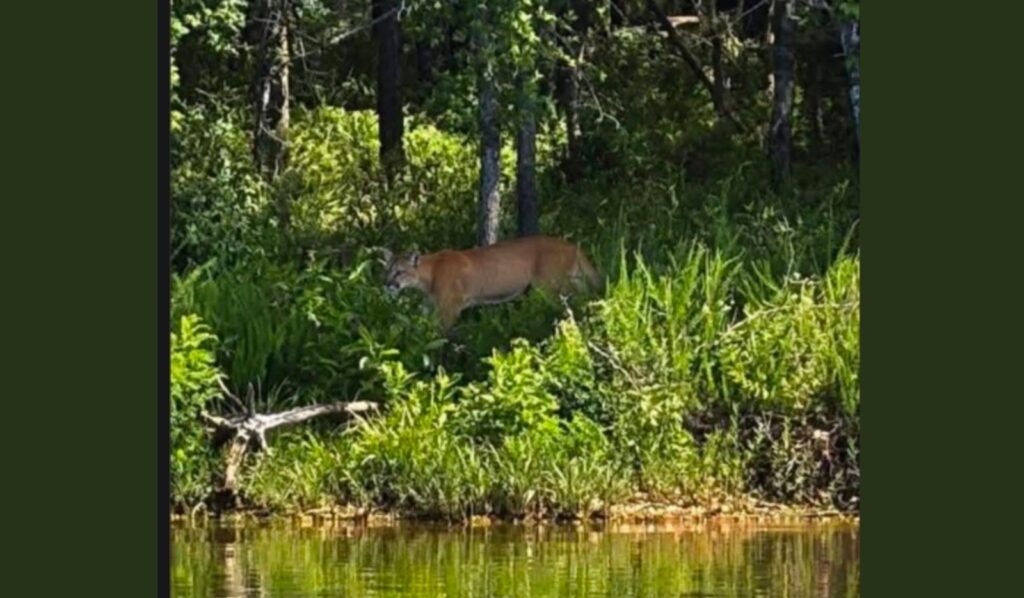
A series of unusual wildlife reports has drawn attention across the Kansas City area and the surrounding region. Seven bats have tested positive for rabies in Kansas City this year, an invasive fish has been found in a Missouri river, and reports of a mountain lion near Longview Lake have fueled speculation about the animal’s presence in the area.
The reports follow the discovery of an alligator in Longview Lake earlier this summer, adding to a string of unusual animal encounters across the bi-state region.
The alligator, nicknamed Longview Lou, was discovered in June and now lives at Monkey Island Rescue in Greenwood, Missouri. About a week later, photos purportedly showing a mountain lion in the same area surfaced. But the Missouri Department of Conservation (MDC) was unable to confirm whether a mountain lion was in the Kansas City area, according to Fox 4.
Rabid bats in Kansas City
The Kansas City Health Department issued a warning last month after seven bats tested positive for rabies in the city this year, the highest number in more than a decade.
Residents are encouraged not to touch or handle bats, even if they are dead, and to contact the health department or Kansas City Animal Control for guidance.
“People should avoid handling bats and should take any possible exposure seriously,” Director of Health Dr. Marvia Jones said in the release. “Because bat bites can be difficult to see, it is important to seek medical advice following a possible exposure.”
Invasive snakehead found in Missouri
The MDC confirmed last week that a northern snakehead fish was found in the Eleven Point River in Oregon County, Missouri, which is near the Arkansas border. It was the second location in the state where the invasive fish had been found. The agency is asking the public to help prevent its spread.
Native to parts of Asia and Africa, snakeheads are predatory fish that can grow to nearly 3 feet long, according to the MDC. They typically weigh about 10 pounds, though some caught in the United States have weighed nearly 20 pounds.
Snakeheads eat insects, snails and other fish, threatening native aquatic species.
“We anticipate negative effects to our aquatic systems, as the invasive fish competes with our existing fish populations for resources,” MDC Invasive Species Ecologist Angela Sokolowski said in the release. “Snakeheads are predatory fish and will likely prey upon our native and sport fish, such as smallmouth bass, potentially causing direct negative impacts to populations.”
Snakeheads can breathe air and survive several days out of water, including in a fisherman’s cooler. The MDC advises anglers to kill the invasive fish by cutting off its head or removing its internal organs to ensure it is dead.
Venomous snakes and spider bites
A Taney County, Missouri, farmer counted 47 copperhead snakes in his yard by August, surpassing his previous record of 45 in 2024.
The farmer, Randy Dietz, is also a reptile specialist. He photographed and measured each snake before relocating it to a rock pile in another part of his yard. In nearly 60 years of handling venomous snakes, he has never been bitten.
As summer temperatures rose, other venomous snakes, including rattlesnakes, were spotted in the region. At least one person, a 15-year-old boy, was bitten by a rattlesnake and needed medical care.
A Kansas mother of four also suffered severe bites from spiders while sitting around a campfire with her family over the summer, according to KCTV5.
Britagne Miller, who had preexisting medical conditions, went to the hospital several days after being bitten. Doctors suspected the spiders were brown recluses. She underwent multiple surgeries and was still awaiting a liver transplant as of August.
Mountain lion sightings in Kansas
Reports of mountain lions have also surfaced across Kansas. One was reported on Monday, with other sightings reported in August.
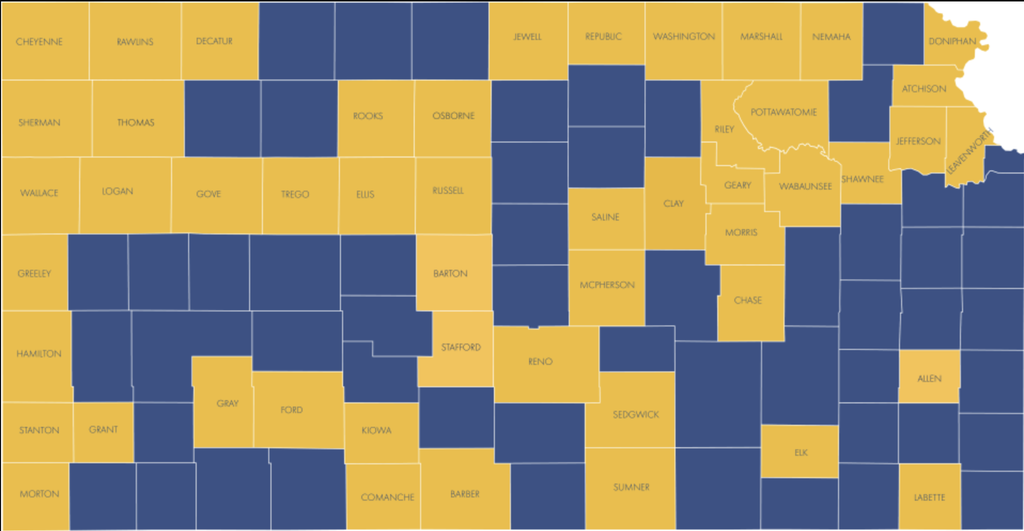
The Kansas Department of Wildlife and Parks has documented mountain lion sightings in 50 of the state’s 105 counties, including Jefferson and Leavenworth counties.
Mountain lions were once common in Kansas, but hunting and habitat changes contributed to their decline beginning in the late 1800s, according to the state wildlife agency. The first modern mountain lion sighting in Kansas was reported in 2007, and sightings have increased since then.
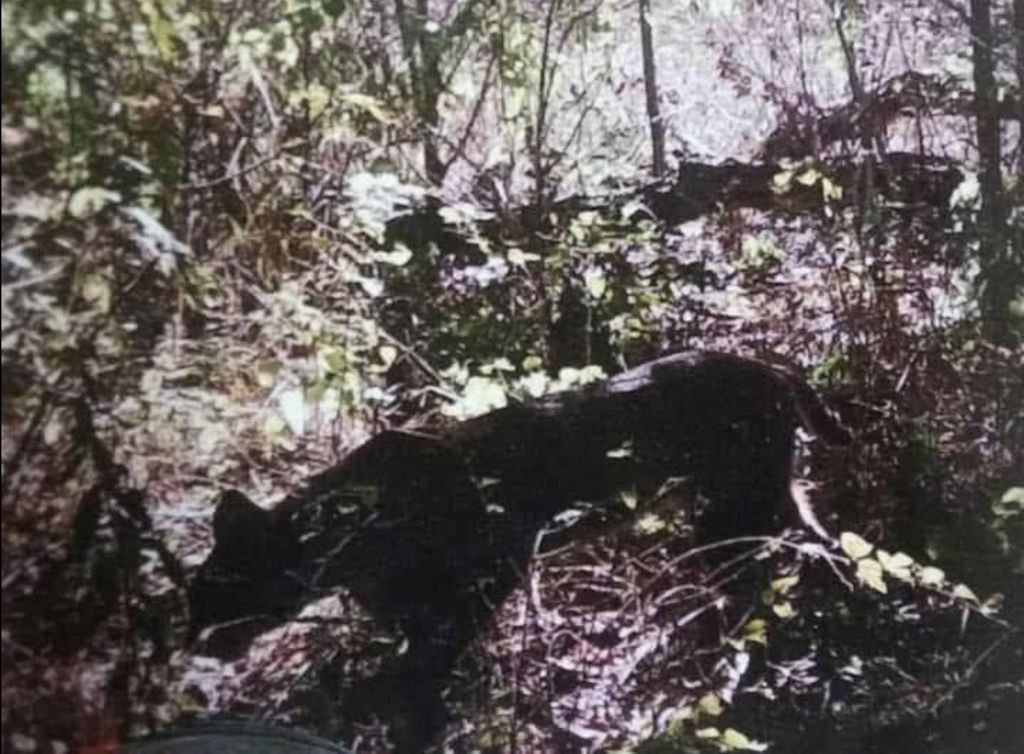
In Missouri, a black panther was reported in Macon County in July, but the MDC says there aren’t black panthers in the state.
The large black cat has become legendary as residents near Branson, Missouri, have also noted what appeared to be a black panther on trail cameras in previous years.
(Photo credit: Screenshot/Facebook/Danny Sutton)