‘Ministering to needs’: Christian org offers disaster relief in Nepal, expecting rising deaths from disease, displacement
The death toll from the Nepal-Tibet river valley flooding has topped 500 and is rising daily, but many more lives are still at risk from water contamination and sickness due to the muddy, wet…
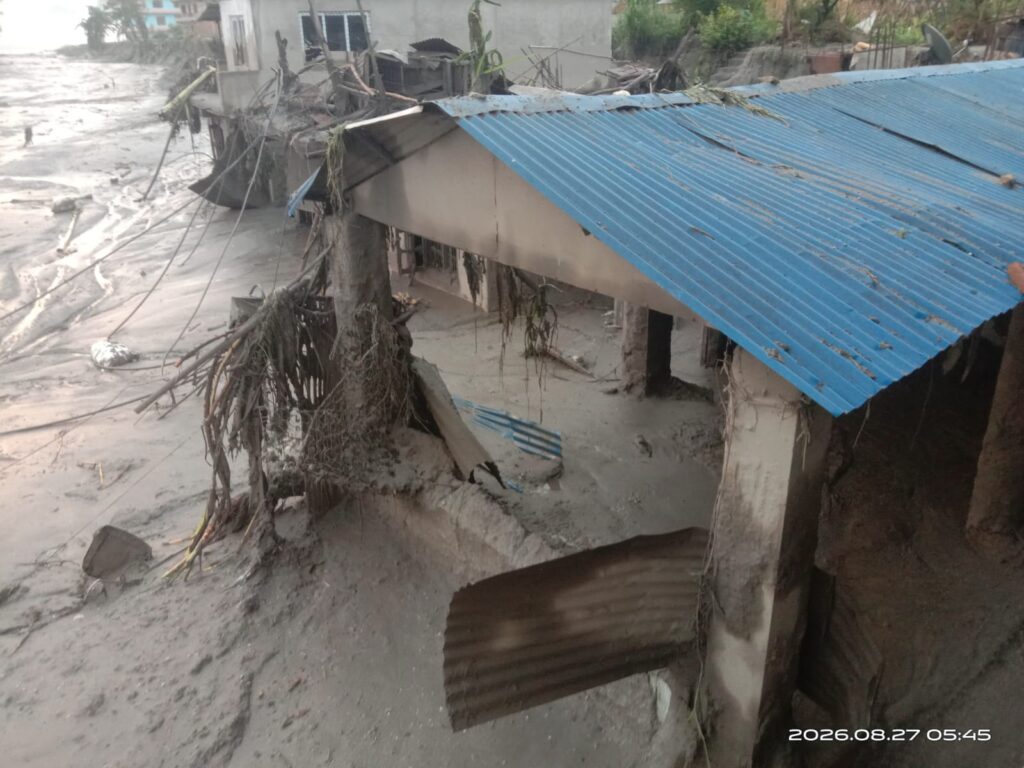
The death toll from the Nepal-Tibet river valley flooding has topped 500 and is rising daily, but many more lives are still at risk from water contamination and sickness due to the muddy, wet conditions, the president of a missionary organization told Heartlander News.
“Usually when things like this take place, it’s waterborne diseases and it’s things that cause infection in the next weeks after the disaster that causes a lot of a lot of death and a lot of sickness, especially among the elderly and the very young,” Bishop Daniel Timotheos Yohannan told Heartlander News Friday.
Yohannan is a bishop in the Believers Eastern Church and the president of GFA World, a missionary organization overseeing thousands of national missionaries across Africa and Asia. The organization, founded in 1980, raises up local missionaries – people from their own culture who know the language – to serve their communities through education, disaster relief and compassionate care, Yohannan said, quoting the Great Commission in Matthew 28:19.
GFA World has missionaries located across Nepal, including several near the Trishuli River valley, where massive floodwaters swept through communities Wednesday morning, killing at least 580 people. More than 1,900 people are still missing, including at least 90 Americans, according to The New York Times.
“Even those people that were on higher ground are trying to help people out of the mud. The mud is extremely thick,” Yohannan said. “If people were caught in the wake of the water, they were washed all the way downstream. They are finding bodies all the way downstream in lower land. Those that are either stuck on top of buildings or on higher ground, they are the ones that they are trying to help because they’re stuck there now.”
Yohannan said the floods destroyed two churches associated with GFA World, sweeping one away and covering another in feet of mud. GFA World missionaries immediately began assisting with disaster relief, and more missionary teams from surrounding areas are on their way, Yohannan said.
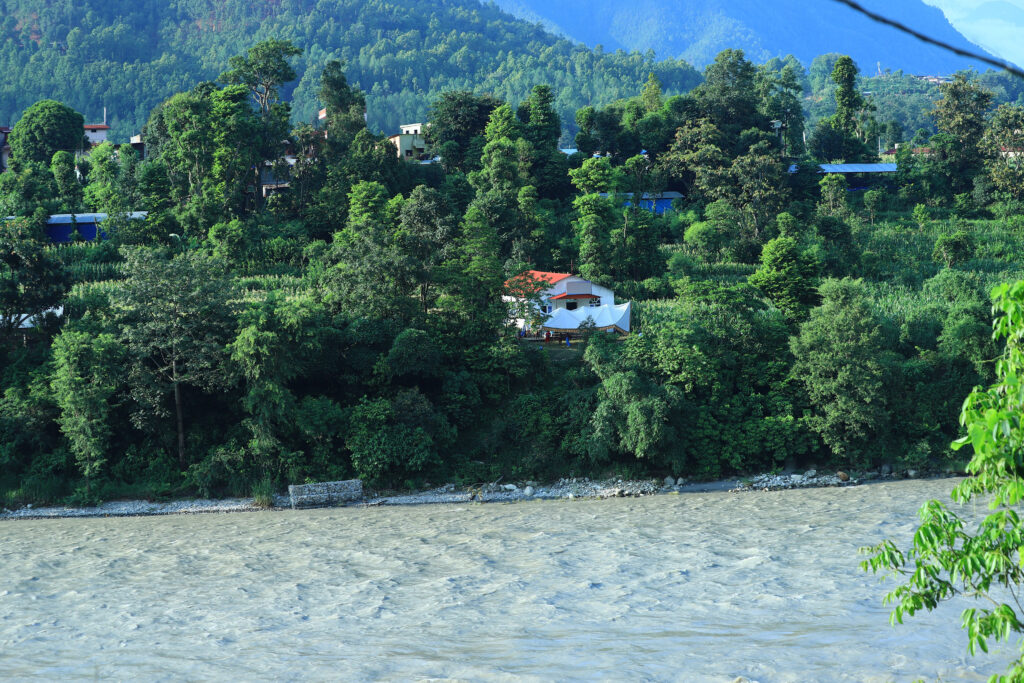
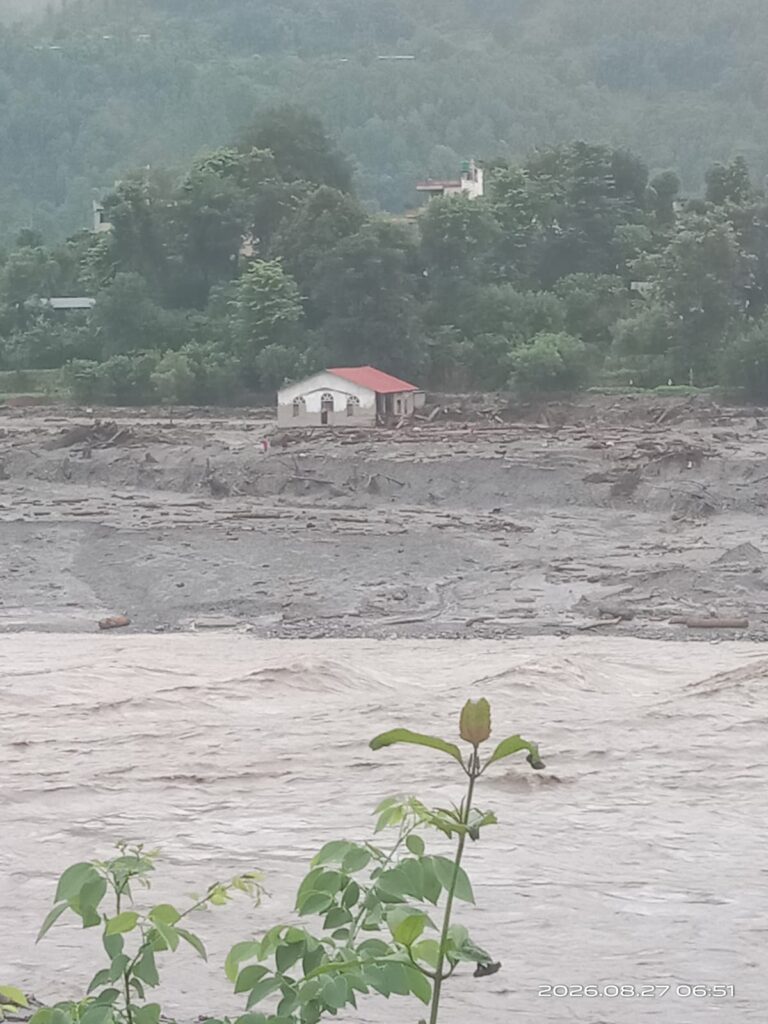
“Relief work and help and care and prayer was already happening immediately,” he said. “But also after that, our people are not running away and going off to something else. They are there to help reestablish people, to help bring healing, but also to see that people are helped long term.”
Roads have been completely washed away, as have families’ entire livelihoods: farmland, animals and homes, Yohannan said.
“When you look at the videos and you look at the pictures, it’s not just a bunch of water that washed buildings away, but people’s farmland is gone,” he said. “People’s animals are gone. Everything about their life and their stability is gone. So it’s like starting over again completely. People’s lives, literally, their futures are washed away.”
Towering walls of water destroyed entire towns in seconds, and survivors were trapped in feet of mud. Current theories suggest a glacier detached near the Tibet border, releasing tons of water from a lake dammed behind the ice mountain, known as an outburst flood, as previously reported.
“There’s lots of videos that talk about the technical science behind why everything happened, but the reality is, hundreds of people are missing and hundreds are dead, and it’s just the beginnings of what could be a major, major disaster. I mean, mud covering entire buildings, 70 feet. It’s really, really devastating,” Yohannan said.
Many survivors fear secondary flooding, and Yohannan said he asked his contact about this possibility.
“Of course, people are fearful, and they’re very scared for their lives right now, but he did say there are rumors that this could happen again,” he said. “Maybe there will be more flooding taking place, but there’s no confirmation that this will happen or won’t happen.”
The missionaries are addressing initial survival needs, offering food, blankets and medical help in a demonstration of “Christ’s love in word and deed,” he said.
Yohannan described three phases of disaster relief: immediate need, stability, and long-term resettlement. Immediate need focuses on basic aid such as food, water and shelter. Providing stability is a longer process to help people reestablish their homes, and finally, the third phase rebuilds the community to its former prosperity.
The teams are there “for the long haul,” Yohannan said, describing previous disaster relief efforts in which teams remained for more than six years to help local communities reestablish clean wells and safe water.
Yohannan encouraged all Christians and “every church in America” to join in prayer for Nepal, the relief work, and the governments and ministries, saying, “prayer really does make a big difference.” He encouraged Christians to also help by supporting GFA or other ministries.
“This is where our Christian life, our words become action,” he said. “That we do what Jesus said, ‘to have our hearts filled with compassion.’ We see that when He saw the crowds, He’s moved with compassion. That’s what we need. We need our hearts to be filled with compassion.”
(Featured image credit: GFA World)