Planned Parenthood whistleblower says she was fired after reporting illegal 28-week abortion
A former Planned Parenthood executive says the abortion group fired her after she reported an illegal abortion at about 28 weeks of pregnancy.
Jacqueline C. Colyer filed a 26-page…
A former Planned Parenthood executive says the abortion group fired her after she reported an illegal abortion at about 28 weeks of pregnancy.
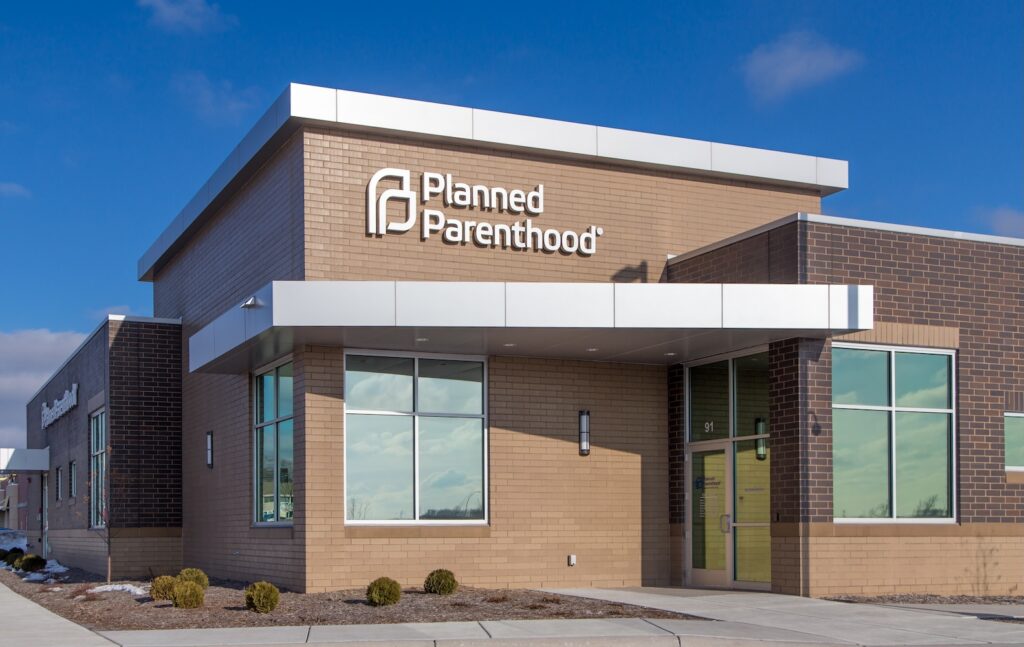
Jacqueline C. Colyer filed a 26-page complaint against Planned Parenthood Great Rivers on Aug. 21. She filed the case in a Missouri federal court.
Colyer was the group’s vice president of human resources. She says Planned Parenthood fired her after she voiced concerns about an abortion at its clinic in Fairview Heights, Illinois, which is about 15 miles from St. Louis.
The abortion happened on a Sunday night in early 2022, the lawsuit says. It occurred before Planned Parenthood hired her.
Colyer learned about the procedure in early 2024. An employee told her that another worker got a call about 7 p.m. on the Sunday in question. The worker allegedly went to the clinic to unlock a door for Dr. Colleen McNicholas, who was then the group’s chief medical officer.
The lawsuit says McNicholas wanted access to the building to perform the third-trimester abortion on a woman. Colyer claims the abortion was done in the clinic’s basement after normal hours.
The lawsuit does not identify the patient or explain why she wanted the abortion.
Illinois doesn’t ban abortion at a set number of weeks. The state’s Reproductive Health Act lets the abortion provider decide whether an unborn child is viable.
Once the provider finds the child is viable, the law allows an abortion only when it is “necessary to protect the life or health of the patient.”
State law defines health broadly to include physical and mental health. It also includes the patient’s family life and age as factors.
Colyer argues there was no sign the woman needed the abortion to protect her life or health. She also says the after-hours procedure broke clinic rules and put the woman having the abortion at risk.
A University of Chicago doctor told the St. Louis Post-Dispatch that an abortion at 28 weeks isn’t illegal based on the week alone. The court will have to decide whether Colyer has enough evidence showing the reported abortion broke the law.
Planned Parenthood Great Rivers now says on its website the Fairview Heights clinic performs abortions through 28 weeks and six days.
Colyer used Planned Parenthood’s ReportIt tip line on July 10, 2024. The group told workers the system was private. Its rules told employees to report suspected illegal acts and promised to protect those who did so in good faith.
Colyer says she asked the group to check security footage and key-card records. She also wanted it to know who gave the doctor access to the clinic.
Two weeks later, Planned Parenthood gave Colyer a written warning, according to the lawsuit. The warning accused her of “insubordination and dishonesty” over how she sought a raise.
A second person filed an anonymous report about the same abortion later that month, the lawsuit says.
Colyer took medical leave in September 2024 because of foot and back pain. She says Planned Parenthood cut off her work access while she was away.
She returned on Dec. 9, 2024. Planned Parenthood fired her that day.
Colyer says interim Chief Executive Richard Muniz told her: “I’m sure you know what’s happening. You are not a good fit.”
Her lawsuit accuses Planned Parenthood of wrongful firing, disability bias and breaking federal medical leave law. She seeks lost pay and other damages. She also wants her job back or added pay.
The case comes as abortion providers oppose any type of regulations, including those designed to protect women and the unborn.
Heartlander News reported in June on how Planned Parenthood helped overturn Missouri rules on abortion clinic licenses and safety inspections.
Heartlander News also reported last year on a Chicago clinic advertising abortions through 34 weeks. That report noted how Illinois gives abortion providers wide power to decide when an unborn child is viable and when a late abortion can happen.