‘The child pays’: Website markets American surrogate mothers to Chinese clients
A website now lets Chinese clients search through profiles of American women willing to carry pregnancies for them in what critics call womb rental where the children end up…
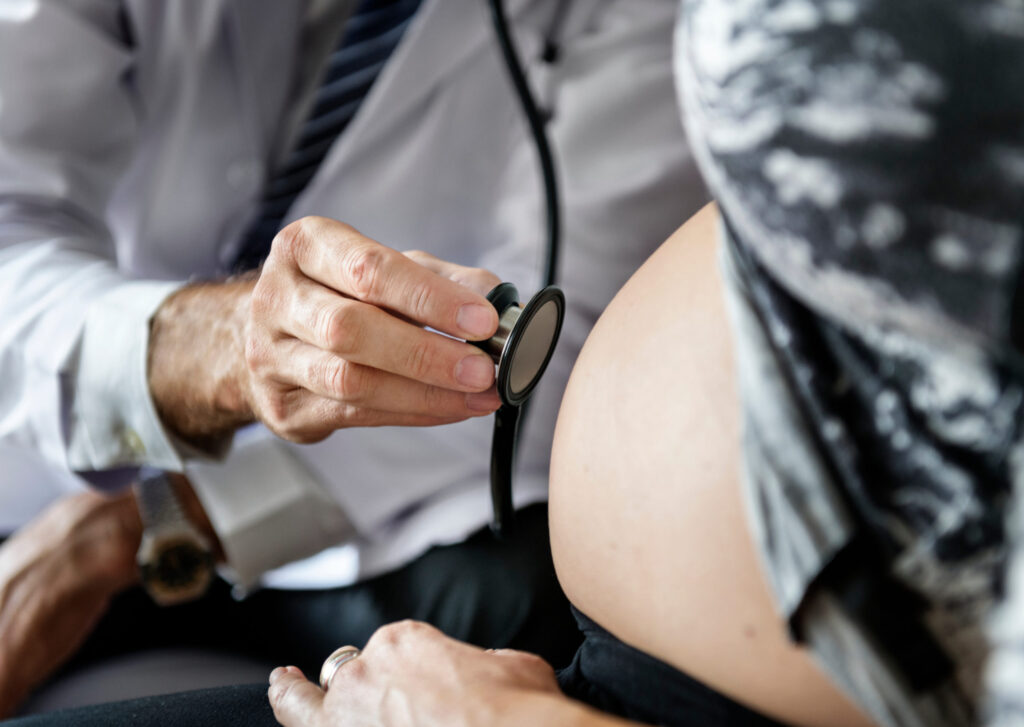
A website now lets Chinese clients search through profiles of American women willing to carry pregnancies for them in what critics call womb rental where the children end up suffering.
Expecting.Ai announced the Chinese-language database in July. The company calls it the largest database of its kind.
When it launched, the site already had hundreds of American surrogate profiles. These women came from surrogacy agencies across the country.
Users can search by age, race, religion and marital status. They can also search by body mass index, comparing women’s height to their weight.
The website lets users compare prices – from around $20,000 to $120,000.
Users can also choose women who have already done commercial surrogacy before.
The Israel-based company also lists egg donors and sperm donors. It works with over 200 fertility providers, its launch announcement says.
“Surrogacy is already a complex and emotional journey, and language should not be an additional barrier,” Expecting.Ai CEO Nadav Raanan said.
China bans surrogacy. However, Chinese clients can pay American women to carry children for them because the United States allows it.
Chinese clients already make up a large share of the foreign surrogacy market in America. A 2024 study looked at 40,177 embryo transfers to surrogate mothers between 2014 and 2020. Roughly 32% involved clients from outside the country, and Chinese clients made up 41.7% of the foreign clients.
Them Before Us executive director Josh Wood said Expecting.Ai does more than help foreign clients search for American women. The website also tries to find more women willing to become surrogates.
“A quiz on their landing page tells women how much they can make by renting their womb: four questions, instant quote,” Wood wrote on X.
Wood also pointed out the immigration benefits tied to a child born in the United States. Thanks to birthright citizenship, the child automatically becomes an American citizen.
“Every adult in this market gets something,” Wood wrote. “The child pays for all of it.”
Heritage Foundation senior policy analyst Emma Waters also criticized the website.
“Don’t worry, Chinese nationals buying American wombs, babies and citizenship isn’t happening,” Waters wrote on X. “Oh, and it’s a good thing it is. (So they say).”
The website comes as other cases raised concerns about Chinese clients using American women to produce large numbers of children.
Heartlander News reported in 2025 that California officials removed 21 children from the home of a Chinese couple during a child abuse investigation.
Some of the children were born through surrogacy. Several women said they carried babies for the same couple without knowing how many other surrogates the couple had hired.
The case showed how the surrogacy business can turn women’s bodies into products. It can also treat children like items purchased for adults rather than human beings who need a mother and a father.
“No one is owed a child, but all children deserve to be born into loving families,” Live Action News wrote.