Inflation moderates but interest rates expected to remain high
Inflation data released on Friday will make it more difficult for the Federal Reserve Open Market Committee (FOMC) to raise interest rates in the short term, according to experts.
But…
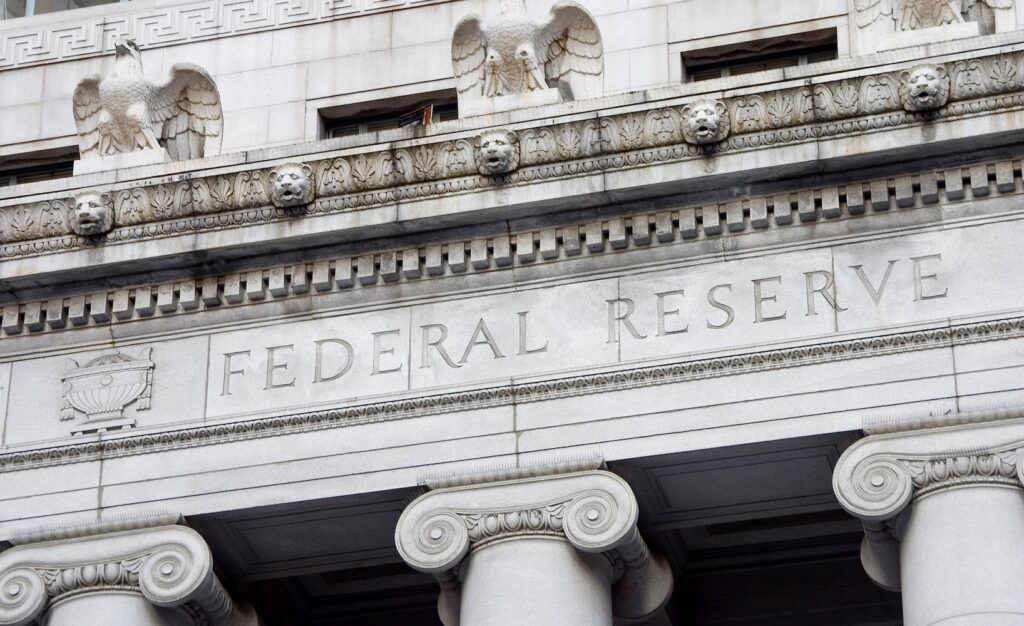
Inflation data released on Friday will make it more difficult for the Federal Reserve Open Market Committee (FOMC) to raise interest rates in the short term, according to experts.
But that doesn’t mean that the Federal Reserve is done raising rates.
And even if the discount rate remains the same, government borrowing demand could mean market rates effectively stay elevated.
The Consumer Price Index increased 0.1% on a seasonally adjusted basis in July after falling 0.4% in June, reported the U.S. Bureau of Labor Statistics.
The reading puts the annual forward-looking inflation rate at just 1.2%, in one of the clearest signs that inflation is moderating.
The core inflation rate, which excludes food and energy, came in at 0.2% month-over-month, with the annual rate around 2.5%.
“Core inflation, which came out days ago, was 2.5% – a very good number, moving toward the Fed’s 2% target,” said Treasury Secretary Scott Bessent. “What we’ve seen over the past year is that wages for the bottom 25% of working Americans were up 5.5%.”
Investor’s Business Daily (IBD) reported the odds of the FOMC raising rates on Sept. 16 went from 48% to 42% while the benchmark ten-year Treasury bond fell 3 basis points to 4.65%.
Still, the Fed might raise rates further later in the year which will clamp down on job creation even more in 2026.
“CME Group’s FedWatch tool shows odds of a rate hike in 2026 now stand at 74%, down slightly from 76%,” said IBD.
It’s a definite reversal from FOMC policy in 2024 when the Fed pulled out all the stops for then-presidential-candidate Vice President Kamala Harris and the Biden administration to keep the economy going in an election year.
From Sept 2024 through November, the FOMC cut rates by 75 basis points.
That despite the fact the economy added 254,000 jobs in Sept. 2024. The economy had averaged a monthly increase of about 203,000 jobs year-to-date by that point in 2024.
By contrast, the Jul. 2026 report showed the economy cast off 23,000 jobs, while only adding about 34,000 jobs monthly over the last year.
The Federal Reserve has a dual mandate of providing full employment and stable prices, but it appears the employment goal is fighting against the stable price goal in part because monetary policy was more expansive under Biden.
In its July statement, the FOMC claimed that persistent high inflation has been caused by “supply shocks that have driven price increases in certain sectors, including energy.”
Cleveland Fed President Beth Hammac has lobbied for aggressive monetary tightening to combat inflation.
“Inflation has remained stubbornly above 2 percent for more than five years, and I am not confident it will return to our objective on its own,” she said in a statement after the last FOMC meeting, when she voted to raise rates.
Hammac called the job situation near “my estimate of maximum employment.”
Unfortunately, expansive monetary policy, like that found under Biden, can take years to unwind.
A report by the Dallas Federal Reserve in February showed that while energy shocks were also blamed for persistent inflation in the 1970s and early 80s, it was in fact loose monetary policy starting in the mid-1960s that contributed to the destabilization of inflation.
“Inflation did not destabilize overnight in the 1970s,” said the report. “The origins of the rise in inflation can be traced to the mid-1960s.”
The GOP has countered by noting inflation is currently moderating under Trump.
“Under Biden, inflation averaged 5 percent,” said House Budget Committee Chairman Jodey Arrington of Texas about the latest inflation numbers.
Arrington added that 18 months into Biden’s presidency prices had jumped 12%, three times higher than under Trump, while energy prices soared 50% and grocery prices climbed 16% in Biden’s first 18 months.
“Biden’s policies drove real weekly earnings down,” concluded the House budget chair, “taking nearly $3,000 a year out of Americans’ pockets.
Arrington said under President Trump real wages are already up nearly $1,000.
But even admitting that inflation is coming in cooler than expected, more government borrowing from the tariff decision could mean that real interest rates stay high, regardless of what the Fed does.
Padhraic Garvey and Benjamin Schroeder at ING said the real culprit keeping rates higher is the U.S. fiscal deficit made worse because tariff revenue is now missing.
In February, the Supreme Court decided the Trump administration lacked the authority to impose tariffs and now that money has to be refunded.
The cumulative fiscal deficit is now running at $1.8 trillion, about $200 billion higher than 2025.
“The deficit had been shielded by tariff income,” they wrote. “Tariff refunds are part of the issue. But the underlying picture is tending to turn net sour also.”