Analysis: Ukraine, Russia trade blows as war of attrition, innovation continues
As Ukraine and Russia continue to make little headway on the ground, both sides are engaged in a technological battle they hope will break the stalemate.
A Ukrainian drone strike on a…
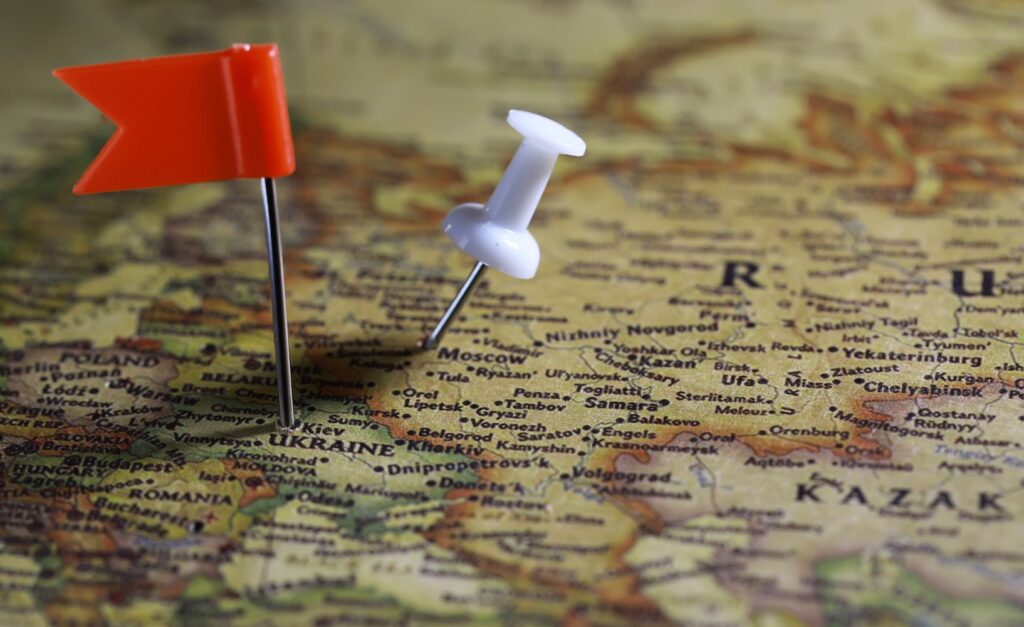
As Ukraine and Russia continue to make little headway on the ground, both sides are engaged in a technological battle they hope will break the stalemate.
A Ukrainian drone strike on a refinery deep inside Russia on Monday killed 13 and injured 75 others in the Tatarstan region, about 750 air miles from the closest Ukrainian-held territory.
In addition to hitting an oil refinery that helps fuel the Russian military, one former U.S. ambassador to Ukraine said the strike has a psychological component as well.
“I think Ukrainians see this as a way to tell the Russian population this is a real war and it’s going to have an impact on you unless Russia stops it,” Stephen Pifer, who served as ambassador to Ukraine from 1998 to 2000 and is now an arms control expert with Brookings Institution, told CNN.
This year has been especially brutal for Russia.
The Russian spring offensive has shown little territorial gains with July yielding only about three-quarters of a mile, or 1.22 km per day, said the Institute for the Study of War (ISW).
“There is no indication that Russian forces will be able to accelerate their advances dramatically or restore maneuver to the battlefield at this time,” ISW said.
Meanwhile, Russia is deploying a new drone suppression system called Arena-M, which can supposedly protect tanks from massed drone attack.
The system still faces problems as it’s allegedly limited in the amount of expensive ammunition it can carry against the relatively unlimited number of $500 drones Ukraine can send against a battle tank.
A Russian military blogger specializing in armored warfare shared Ukrainian drone footage showing a Russian tank, which had expended all of the anti-drone ammunition, being hit.
“As previously noted, the available ammunition load of the modernized Arena does not match modern realities,” the blogger wrote on X.
ISW reports both sides are frantically trying to restore mobility to the battlefield by deploying new tactics or technology to achieve a breakthrough.
“Combat in Ukraine will likely become less positional and feature more tactical maneuver as both sides continue employing novel tactics and technologies,” said an ISW report posted Aug. 9.the ISW report posted Aug. 9.
Conversely, Russia is also increasing its numbers of high-tech missiles, as Ukraine wrestles with a shortage of American Patriot missiles apparent in the years since the defensive weapon’s first deployment against the Russians.
The Patriots weren’t shipped to Ukraine until April 2023, but the Ukrainian government soon argued they didn’t have enough.
“Give us the damn Patriots,” Ukraine’s Foreign Minister Dmytro Kuleba complained to Politico.eu in 2024.
Last summer, Trump rescheduled deliveries of Patriot missile batteries to NATO allies to ship the weapons to Ukraine.
Even as late as this week, the U.S. agreed to monthly shipments of Patriots, reported the Kyiv Post.
Still, it’s not enough even as U.S. and allied stockpiles dwindle.
“Who has the anti-missiles and systems? Primarily the manufacturer – the United States of America,” Ukrainian President Volodymyr Zelenskyy said. “Can they help? We are working on it. Will they supply us with missiles every month? Yes, we have agreements. Are these missiles enough? No.”
As much as Ukraine has been begging for Patriots, they have also struggled with improvements Russia has made to their ballistic missile systems and tactics, according to a report by the U.S. Defense Intelligence Agency.
Zelensky may be panicking because while Ukraine is going low tech with inexpensive drones, Russia is going high tech in its air offensive against Ukraine.
According to Ukrainian intelligence, Russia is increasing production of both cruise missiles and ballistic missiles.
The Russian change is shifting resources away from less effective models toward weapons that are harder for Ukraine to intercept.
Still, Ukraine has beaten back every Russian offensive even without what they would consider an adequate supply of Patriots.
Both on the ground and in the air, the war is revealing not every military problem has an easy high-tech weapon systems answer such as a tank or Patriot missile battery.
“Success will depend less on a handful of exquisite platforms,” wrote Miles Maochun Yu, a visiting fellow at the Hoover Institution about the lessons from Ukraine, “than on resilient networks, distributed forces, sustained production and the ability to attack not only enemy forces in the field but also the industrial foundations that keep those forces alive.”