‘Purpose, passion, impact and community’: Northland Therapeutic Riding Center’s mission to support disabled children with horse riding
Sixteen-year-old Malachi Voigt has attended therapeutic riding lessons at Northland Therapeutic Riding Center (NTRC) for a decade to meet his physical therapy…
Sixteen-year-old Malachi Voigt has attended therapeutic riding lessons at Northland Therapeutic Riding Center (NTRC) for a decade to meet his physical therapy goals, such as developing muscle strength and improving balance and coordination. Riding lessons also give him the opportunity to engage in community, a necessity for children on the autism spectrum.
“We just knew he was absolutely king of the world when he was up there and was unstoppable,” Malachi’s mom, Britney Voigt, said of his first ride.
Voigt now brings her three adopted children to NTRC for weekly lessons. She recalled the instructors’ enthusiasm in helping her children adjust and her children’s awe at seeing the horses for the first time. Over the years, Voigt’s children have improved their muscle coordination, communication and self-advocacy strategies, she said.
“There is no judgment, there’s no shame. It’s just, ‘Let’s figure out a way to make this work for you,’” Voigt said. “It increases your kids’ confidence and physical abilities. It is so good for the families to have that little bit of support every week.”
History
The center, founded in 2000, has built a community of families, volunteers, and staff dedicated to supporting children with disabilities. After a year of training, fundraising and preparation, the horseback riding program launched in April 2001 with one instructor, four riders and four horses.
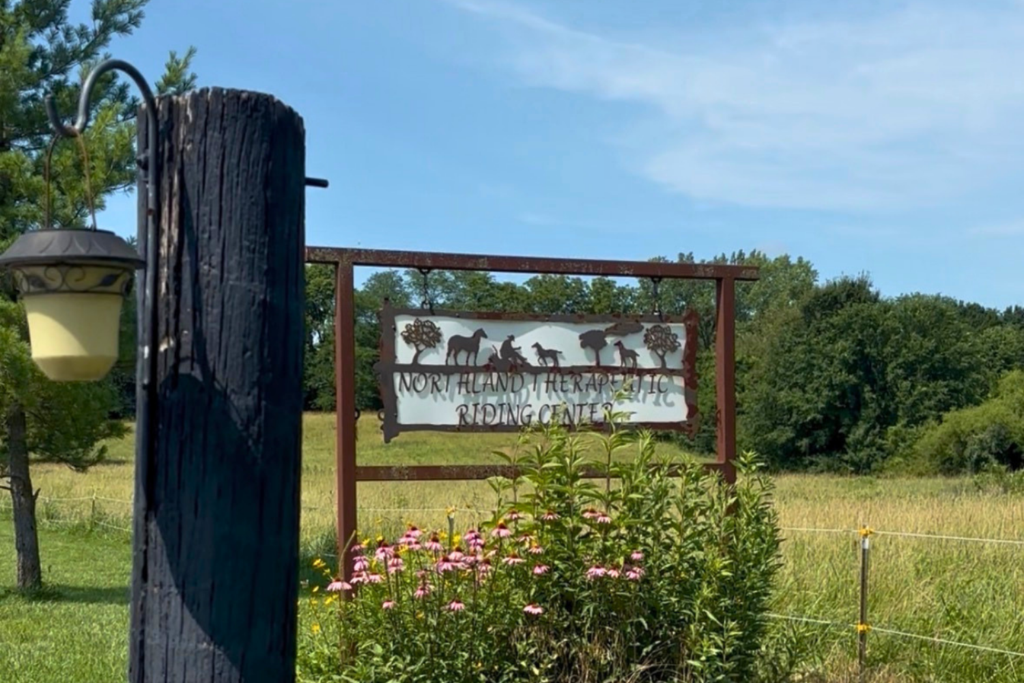
Today, the group is located at their home barn in Holt, Mo. Participating families come from a broad range of backgrounds but share in the supportive NTRC community. Parents and guardians of children with special needs often find themselves isolated, but NTRC breaks this barrier and helps participants in the process.
“They [horses] take you for where you are right now, and who you are in this moment, and they don’t care what you look like. They don’t care if you have disabilities. They just accept you for who you are right now, and they respond to you in kind, and I think that is something that so many of our participants don’t get in their everyday life,” Bonnie Bruns, NTRC program director and riding instructor, told Heartlander News.
Purpose
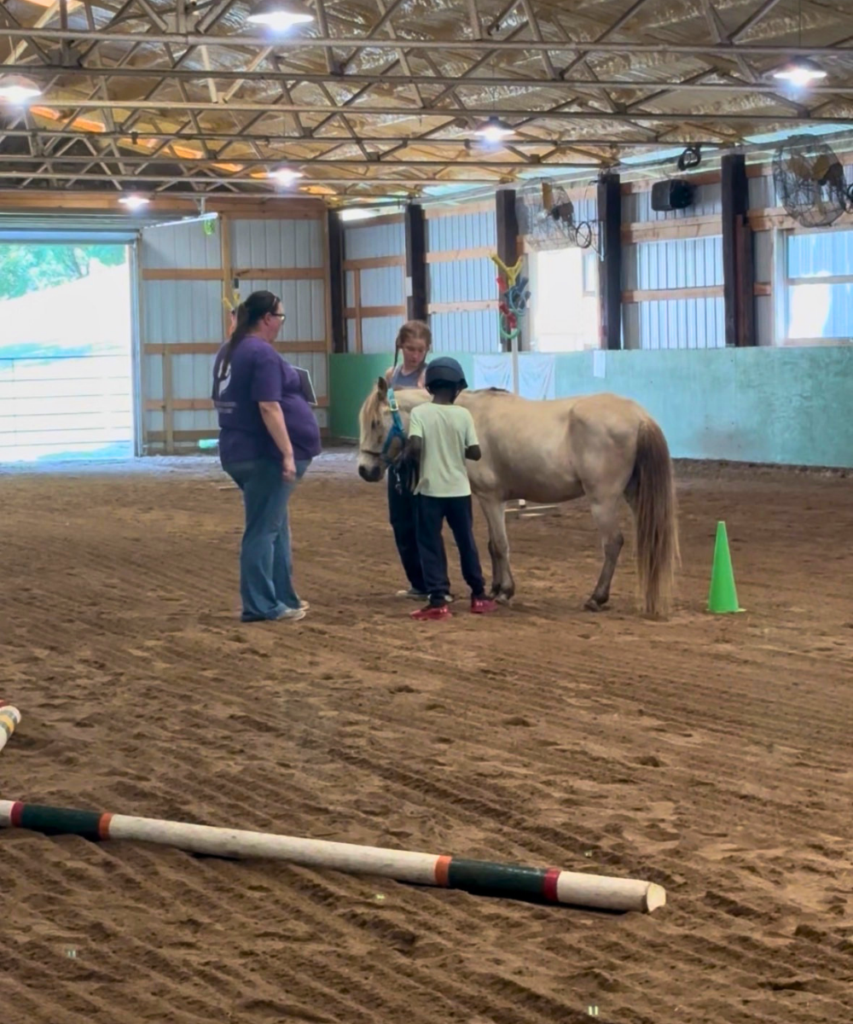
Riding instructors are essential to the NTRC program because they provide the knowledge and support needed to make therapeutic riding safe and successful for participants.
Instructors focus on the science behind why equine therapy works well, Bruns said. The movement of the horse engages the rider’s core, strengthens the hips and legs, and promotes natural posture corrections beyond what traditional therapy can provide. Interacting with the horses also regulates a rider’s nervous system – a major benefit for individuals on the autism spectrum, Bruns explained.
“Therapeutic riding provides an autonomy that the kids often do not have in other aspects of their lives. Gaining the confidence to lead, mount and ride a 1000-pound horse is such a gift,” said Shannon Gehrkes, another participant’s mother.
Passion
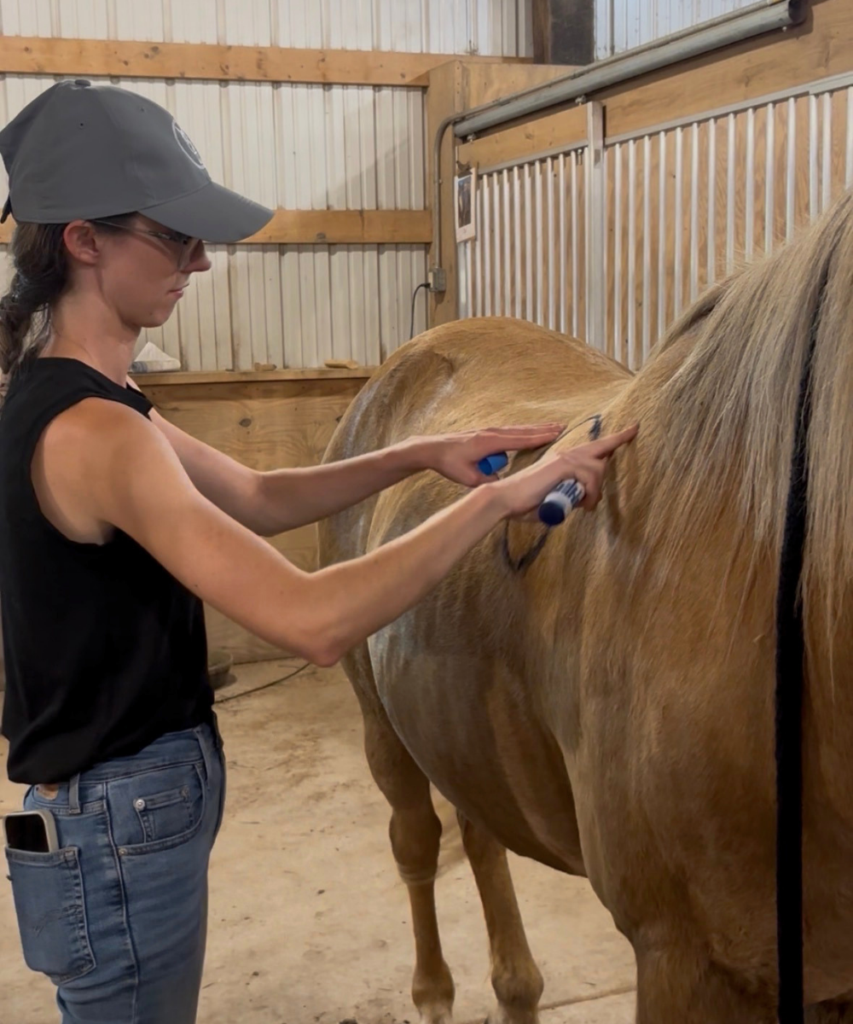
NTRC would not exist without the efforts of staff members such as Amanda Mayfield, who serves as equine manager and volunteer coordinator.
She started with NTRC the same way most staff do: as a volunteer. She steadily increased her involvement and eventually joined part time as a barn assistant. Later, she was hired full time for the equine manager position and added the responsibilities of the volunteer coordinator position a year later.
“Every day is different. It is never the same thing, no matter how close it may be. There’s always something new going on,” Mayfield said. “Someone who maybe comes in feeling really grouchy one week may come in, the next week just smiles and bubbly.”
The NTRC horses require much training to assist children with special needs, she said. While their work may appear light during lessons, significant mental capacity is required for a prey animal to remain steady in unpredictable environments. One major role of the equine manager is finding and training suitable horses for therapy work at NTRC, Amanda explained.
“A good therapeutic horse is happy in himself or herself,” Mayfield said. “They are comfortable and confident. They are willing to try for their person, even if it’s a new person, and they’re quiet.”
Community
NTRC’s mission would be impossible to achieve without the active work of its volunteers. Volunteers from all walks of life complete orientation and training before assisting participants.
Bonnie Dickson is NTRC’s longest serving volunteer, having started with the program when it began offering lessons in 2001. She works one to two lessons a week and travels 50 miles round trip each week to support her participants.
Dickson said one of her fondest memories is working with a rider who suffered from spinal meningitis as a toddler. He continued riding with NTRC throughout his teenage years and eventually built the strength to ride a bike and roller skate. As an adult, he has returned to NTRC as a volunteer horse leader.
Executive Director Cathy Huddleston describes herself as an “avid student of the horse” after a lifetime of riding, training and teaching – including riding on scholarship at Park University in Parkville, Mo.
The outside beauty and social environment at NTRC impact all those involved – volunteers, staff, riders and families, Huddleston said, adding that people change after experiencing the “purpose, passion, impact, and community.”
Horses help participants regulate their emotions because they are highly sensitive as herd animals to the people around them, she explained. She hopes participants feel accepted, challenged and supported through their therapy rides at NTRC.
“I hope that they get to experience unconditional acceptance. I hope they get to experience being challenged to grow in a way that’s appropriate for them,” she said. “I hope they get to build relationships with horses and other humans. I hope they get to experience joy and laughter, and all of that equates to a safe space that is welcoming that serves their highest good.”