Comprehensive UK study hammers importance of a 2-year screen-free start to life
A baby should never look at a screen during the first two years of life according to a new study that found screen exposure leads to increased obesity, lower vocabulary and weaker…
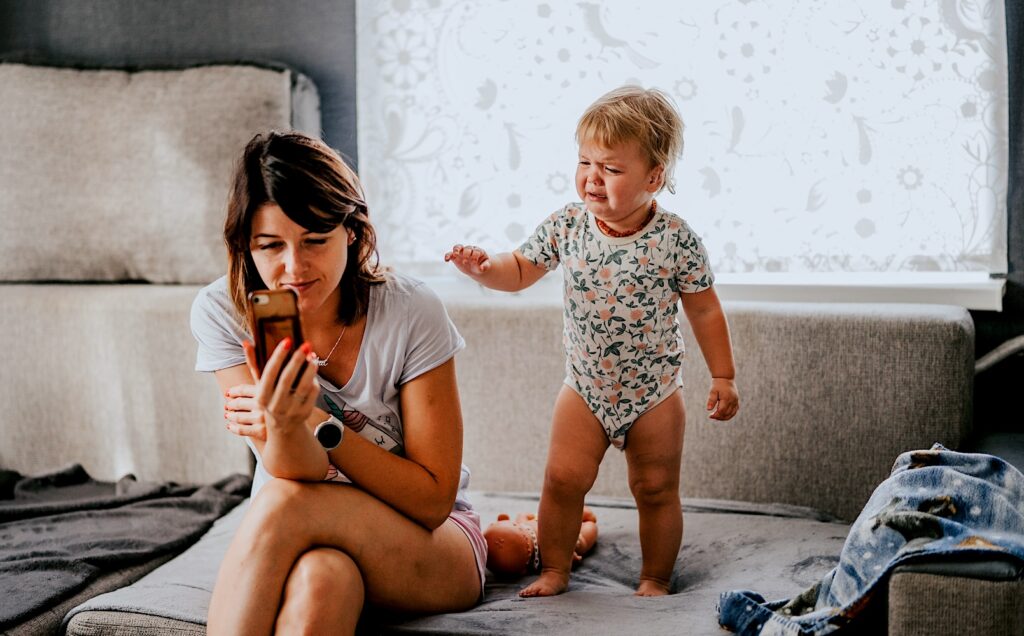
A baby should never look at a screen during the first two years of life according to a new study that found screen exposure leads to increased obesity, lower vocabulary and weaker child-parent relationships.
“We have learned that screen use among the under-twos is a global concern that in 2026 is not being adequately addressed,” Report co-lead Rafe Clayton, senior lecturer in Media and Communication at the University of Leeds, said in a press release. “This has implications for a whole generation and their future quality of life.”
In the most comprehensive, first-of-its-kind, systematic review on child screen intake yet, released May 2026, researchers found that consistent daily screen time can hinder mental and physical development for the child. Delayed development and increased susceptibility to overstimulation are major concerns for the child, and higher technology intake impairs the relationship between parent and child.
The iADDICT group of researchers from four major UK universities, commissioned by 1001 Critical Days Foundation, studied general media intake, including television, smartphones, tablets and the like across 20 different countries from 2020 to the present.
Risks for babies
Because an increase of screen time is a decrease in parent-child communication, a minute of added screen time for a 36-month-old child directly correlates to a loss of 6.6 adult words developed, 4.9 child vocalizations and 1.1 conversational turns, according to researchers.
Greater screen time for 12-24-month-old children correlated to a higher fat mass index and lower development scores, the study reports. Screen time at or around bedtime also hinders a child’s sleep.
The amount of screen time also increased with the average age of a child, which implies a decrease in necessary physical activity, according to the report. A six-month-old child consumes approximately 1.5 hours of screen time, but a 24-month-old could spend 2.5-4 hours on a screen.
Advice for parents
Parents’ screen use also impacts how a child perceives technology, and increasing use of technology by a pregnant mother tends to continue after the child is born, according to the study. Stress also increases technology use, and interrupted sleep, feeding struggles and overall fears are common stressors with a new baby.
“As role models, unguided adults are inadvertently teaching children and babies to develop unhealthy habits and relationships with screen devices, and this has to change,” Clayton said.
The World Health Organization and the American Academy of Pediatrics both warn against any screen time for children under age 2, but the study here shows that most parents and caregivers do not follow that recommendation due to busyness of schedule or ease.
The study affirms these recommendations and discusses various stages of a child’s first two years that prove less screen time strengthens overall development and their developing minds and the bond.
“Every baby should experience the best start in life,” Founder of 1001 Critical Days Foundation Dame Andrea Leadsom said in the release. “Helping parents navigate the digital world is an essential part of making that ambition a reality.”