New St. Louis DEA leader credits White House, interagency cooperation as fentanyl overdose deaths continue to fall
Declining overdose deaths and a unified federal effort against the drug trade are helping combat illicit trafficking across the Midwest, according to the newly appointed leader of the St. Louis Drug…
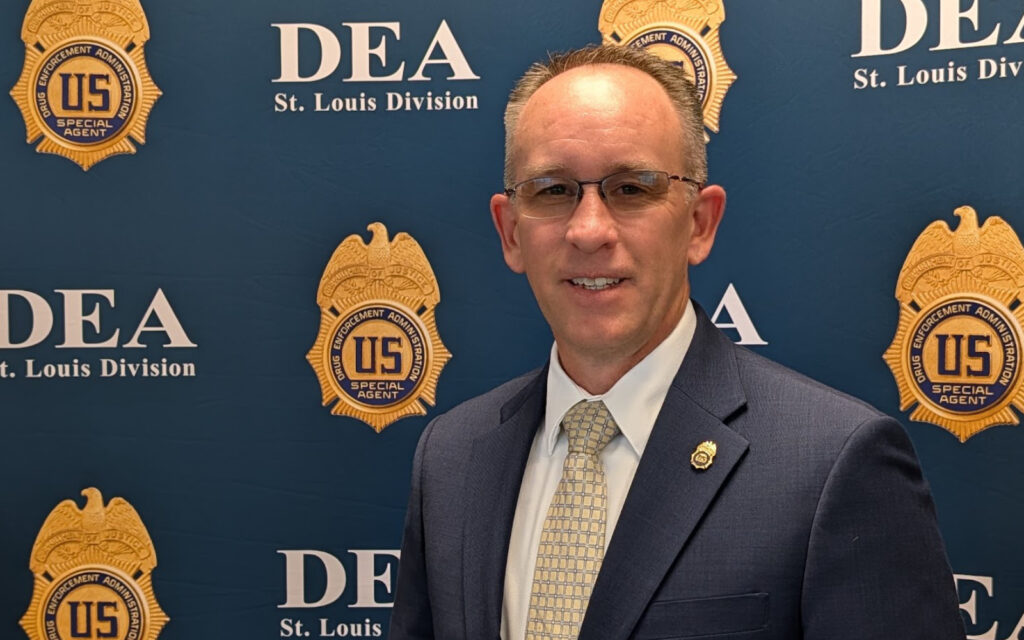
Declining overdose deaths and a unified federal effort against the drug trade are helping combat illicit trafficking across the Midwest, according to the newly appointed leader of the St. Louis Drug Enforcement Administration (DEA) office.
Special Agent in Charge Steven Hofer, a military veteran who began his DEA career in St. Louis 22 years ago, recently returned to lead the division after leadership positions in New Orleans, Baton Rouge and Washington.
Hofer, a Missouri Western State University graduate, said new directives from the current White House are making a difference.
“When we have the full support of the entire government and the backing to have the resources at our fingertips with a very clear and simple mission in front of us, that makes a world of difference,” Hofer said.
Previous barriers with Homeland Security Investigations (HSI) and Immigration and Customs Enforcement (ICE) have been eased, he added, allowing for greater interagency cooperation.
“The avenues have been opened up,” Hofer said. “There may have been some restrictions to that before that we had to navigate, but with the intent and the focus that came from the current White House, by giving us additional authorities, for example, it has not been a problem for us to call up our ICE partners, our HSI partners.”
The change has cleared the way for regional Homeland Security Task Forces, which are designed to systematically dismantle cartels. This collaborative approach means federal investigators are not working in isolated silos. Instead, they are coordinating directly on major operations.
“Our job is simple. We exist to protect our communities by bringing the fight to the criminal organizations that threaten them, and we do that the best when we stand shoulder to shoulder with our partners,” Hofer said. “It’s simple, but it’s not easy. But we’ll be there every day for it.”
Tangible results
The coordination is already translating into tangible results across the country.
Federal data shows a significant drop in overdose deaths, which reached 110,774 for the 12-month period ending April 2023. By the 12-month period ending April 2025, CDC figures showed those numbers had fallen by 33% to an estimated 73,690 deaths, marking the largest year-over-year decline in decades.
U.S. Customs and Border Protection announced in May 2026 that officers had seized more than 100 million lethal doses of fentanyl during the current fiscal year.
Data shows more than 82% of fentanyl shipments are intercepted at official ports of entry, where cartels attempt to smuggle drugs inside commercial and passenger vehicles.
“The 100% focus on protecting Americans is what has really changed,” Hofer said. “It’s easier to make decisions because it’s very clear on what the end-state goal is.”
Targeting cartels in the Midwest
The collaboration among these task forces helped bring down a cocaine drug ring operating out of a Kansas City mechanic shop this month. Prosecutors say the ring was linked directly to Mexican cartels. The bust netted more than 30 kilograms of cocaine, which is about the size of a large bale of hay.
In St. Louis, a 23-year-old man was sentenced to nearly 17 years in prison for his role in a fentanyl plot after two teenagers overdosed and one died. The teenagers were sold counterfeit prescription pills laced with fentanyl.
“Cartel members and affiliates are not welcome here,” Hofer said following the Kansas City sentencing. “The DEA and our many partners will not slow down or be deterred as we work toward dismantling the drug trafficking organizations terrorizing our communities.”
(DEA St. Louis SAC Steven Hofer. Image credit: Stuart McMillian/Heartlander News)