How California’s ‘teen takeover’ crime trend is spreading
(Daily Signal) – One of California’s wealthiest and safest cities descended into chaos over the Independence Day weekend after a social media-fueled “teen…
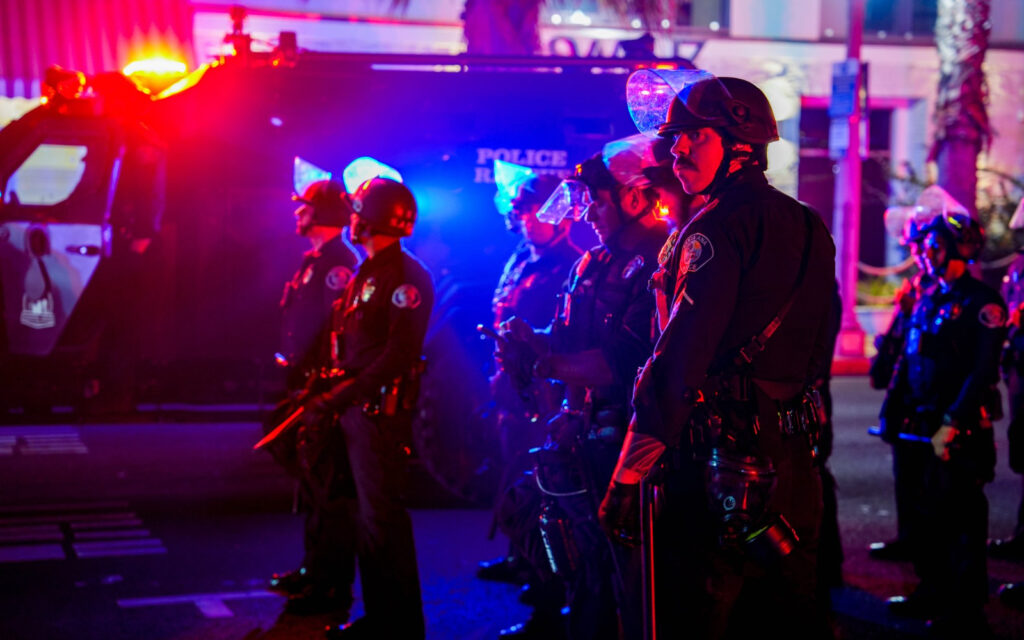
(Daily Signal) – One of California’s wealthiest and safest cities descended into chaos over the Independence Day weekend after a social media-fueled “teen takeover” led to more than 400 arrests, an officer being struck by a mortar firework, and the looting of a grocery store.
According to Newport Beach city officials, thousands of unruly juveniles and young adults gathered near the Newport Pier on July 4. As the crowd grew, fireworks were launched into the crowd and at police officers. An officer was struck by a mortar, roadways were blocked, emergency vehicles were delayed, and a nearby grocery store was looted.
Police made 402 arrests over the weekend, including roughly 200 people who refused lawful dispersal orders. The total was a dramatic increase from approximately 60 arrests made during the same holiday weekend last year.
So-called teen takeovers have become increasingly common in Southern California in recent years. Organized primarily through social media, the gatherings often draw hundreds—or even thousands—of teenagers and young adults to beaches, malls, or entertainment districts, overwhelming local police and, in some cases, escalating into violence or vandalism.
In a statement to the Daily Signal, Newport Beach Mayor Lauren Kleiman said the city had anticipated large Independence Day crowds and had already taken additional precautions following similar issues in recent years.
“I am proud of the way our Newport Beach Police Department handled and diffused a bad situation induced by inciting posts on social media that could have escalated into one with tragic outcomes,” she said. “Saturday’s examples of disrespect and destruction in our city were scary, saddening, and totally unacceptable.”
“For many years, Newport has seen more than its fair share of overzealous young people partying over the 4th of July and spring break,” Kleiman added. “But, after witnessing last year’s lawlessness trend, the Council did not hesitate to take immediate action.”
These actions included stricter penalties, additional police resources, partnerships with outside agencies, and the city’s “Not-in-Newport” public awareness campaign.
However, Kleiman said despite the city’s preparations ahead of the holiday weekend, it was “no match” for the juveniles who incited chaos.
“All of these efforts were no match for these anarchic youth who had no respect for the hundreds of law enforcement officers from 17 agencies. Today we turn our focus to how to prevent this type of incident in the future and protecting our beautiful city,” she said.
Newport Beach is not the only California city dealing with the trend.
In mid-June, Long Beach experienced a similar incident when more than 200 minors gathered, resulting in fights and five teens being cited for violating curfew.
Long Beach Police Chief Wally Hebeish stressed the strain that “teen takeovers” have on first responders.
“Large-scale disturbances like this deplete our resources and divert our officers from addressing other safety concerns in Long Beach, including emergency responses. We will maintain an enhanced presence throughout the weekend, and any form of violent behavior or law violations will not be tolerated,” he said.
As cities across Southern California grapple with increasingly disruptive youth riots, experts are asking what’s driving the trend, and whether it can be stopped.
Steve Smith, an expert at the Pacific Research Institute with over 20 years of experience in domestic and international policing and investigation, says teens and young adults often seek validation online through attention-grabbing posts. The posts may showcase their appearance, experiences, or risky behaviors in an attempt to generate online views and reactions.
“The transformation has been from fun group activities to antisocial ones,” Smith told the Daily Signal. “A flash mob dance at a mall is fun. A drunken mob at the beach might not be fun, especially for a bystander, but it’s going to generate a lot of clicks and likes.”