Texas Board of Education approves new K-12 reading list including Bible passages
The Texas State Board of Education approved a statewide mandatory K-12 reading list Friday that includes Bible passages as part of an effort to improve student…
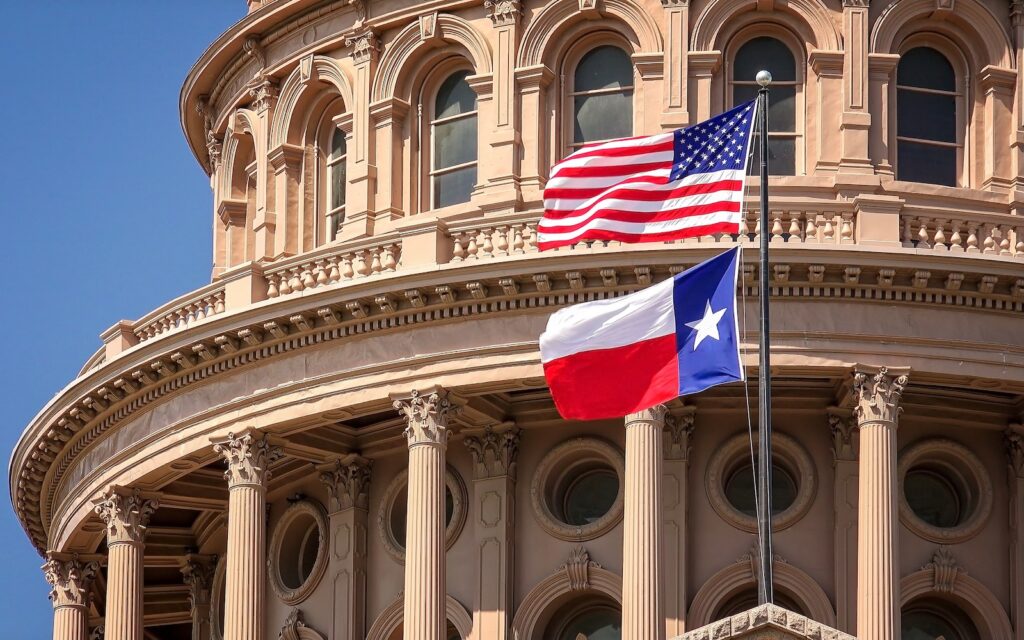
The Texas State Board of Education approved a statewide mandatory K-12 reading list Friday that includes Bible passages as part of an effort to improve student reading proficiency.
The reading list, developed by the Texas Education Agency (TEA) under House Bill 1605, includes primary historical documents such as The Federalist Papers and The Diary of Anne Frank for older students; fictional works such as To Kill a Mockingbird for high school students and the Amelia Bedelia series for younger readers; poetry by Robert Frost and Langston Hughes across grade levels; and Bible passages, including the Beatitudes and selections from Psalms.
The TEA said a standardized reading list across Texas schools will build “a shared learning base” for students.
Before the list’s approval, more than 170 people signed up to testify during more than eight hours of public hearings June 22. Following the hearing, the board revised the list, removing Noah and the Ark, St. George and the Dragon, Rapunzel and other stories while retaining Bible passages.
The Classic Learning Test is among the groups supporting the reading list and the broader overhaul of the state’s English and social studies curriculum.
“The CLT believes that a robust, content-rich curriculum – one that invites students to engage with the ‘Great Conversation’ through timeless literature – is foundational to fostering literacy, critical thinking and character development,” CLT spokesperson Alex Lash told The Lion in a statement.
“By adopting this statewide book list, Texas will take the nation’s largest step toward ensuring that every public-school student in this state, not just a lucky few, is learning in one of those schools. Every student, no matter their background, will have the opportunity to learn the core principles of knowledge that are needed to be an educated American alongside their peers.”
According to data from the National Assessment of Educational Progress, Texas fourth-grade reading scores peaked in 2015 and have declined since. In 2024, 28% of Texas fourth graders scored at or above the NAEP proficient level, while 57% scored at or above the basic level.
The proposal divided lawmakers along party lines. Forty-six Democratic state lawmakers signed a letter opposing the reading list, while 61 Republican lawmakers sent a letter supporting the board’s work.
The board voted to implement the curriculum changes beginning with the 2030 school year.