‘Fox guarding the henhouse.’ State senator criticizes Arizona State University’s report over conservative event backlash
(The Center Square) – After Arizona State University released a report suggesting there was “no evidence” of a campaign to smear an event featuring conservative speakers, one Republican state…
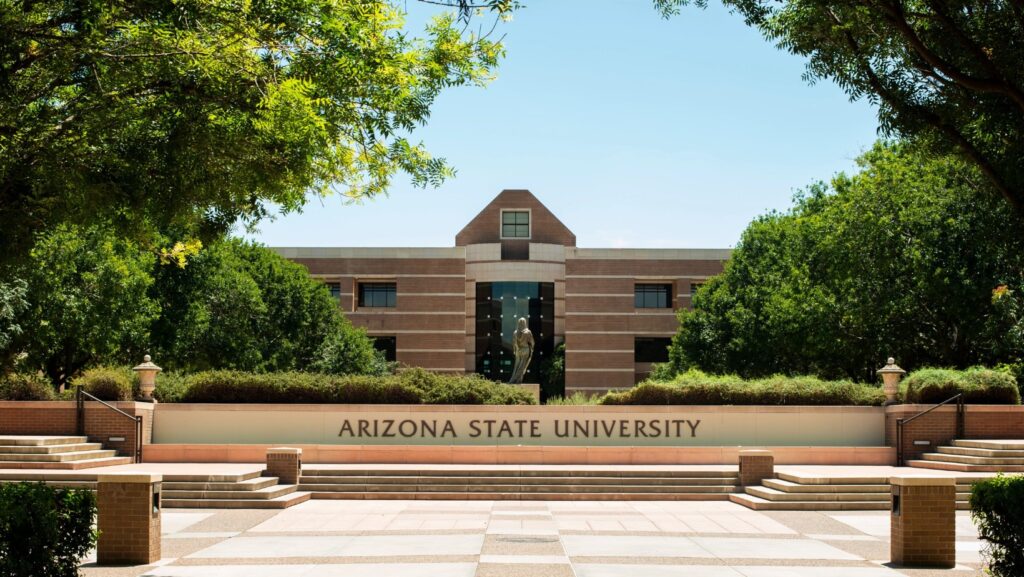
(The Center Square) – After Arizona State University released a report suggesting there was “no evidence” of a campaign to smear an event featuring conservative speakers, one Republican state senator is not satisfied with the outcome.
The T.W. Lewis Center at the school hosted an event in February with conservative media personalities Dennis Prager and Charlie Kirk, as well as financial author Robert Kiyosaki. The event sparked backlash from some faculty at Barrett, the Honors College, and some students. Following the intense backlash, Tom Lewis pulled funding for the center and its executive director, Ann Atkinson, lost her job, alleging she was fired.
“The university’s review found the kind of passionate discussion and debate that the First Amendment celebrates, followed by a successful event where the invited speakers reached tens of thousands of audience members,” the report states. “Answering the allegations brought by Ms. Atkinson, the university’s review did not find evidence that Barrett faculty ran a “national condemnation campaign.” A campaign is a systematic and coordinated effort to achieve a specific outcome.”
However, the university did acknowledge that there was a letter signed by faculty, along with other public opposition to the event.
“As Section 4 of this report indicates, while more than 30 Barrett faculty members signed a letter written to their dean to strongly oppose the event, our review revealed no evidence that Barrett faculty engaged in a coordinated national campaign of activities such as hiring a public relations firm, writing editorials in national publications, soliciting support from local or national media figures, soliciting news media coverage, soliciting support from political organizations, or communicating with donors,” the report continues.
Sen. Anthony Kern, R-Glendale, doesn’t buy their findings.
“We appear to have a case of the fox guarding the henhouse with ASU’s attempts to write off the seriousness of these claims,” Kern said in a statement Monday. “While it’s unfortunate ASU’s administrators chose to take this approach with their investigation, it’s not unexpected. I wanted to give them the benefit of the doubt that they would in fact own up to some of the serious problems that stifled free speech for students on campus under their watch, however, their complicity calls for further action from state legislators.”
As there was a legislative hearing on the matter in July, Kern said he will be having another hearing soon to sift through the report.
I look forward to hosting a follow up committee hearing in the coming weeks where lawmakers will review this report together, hear additional testimony, and discuss making policy changes to prevent similar situations from unfolding in the future. This issue is not unique to Arizona State University, as we’re hearing instances of free speech infringement on campuses around the nation. It is our obligation as lawmakers to take action now,” he added.
In response to the report, Atkinson posted a poll to X, formerly known as Twitter, asking users if they were surprised as the university’s conclusion.
“ASU completed its ‘investigation’ over its handling of the Barrett free speech crisis and Health, Wealth & Happiness,” she posted. “After investigating itself, ASU remains steadfast in its denial of wrongdoing.”